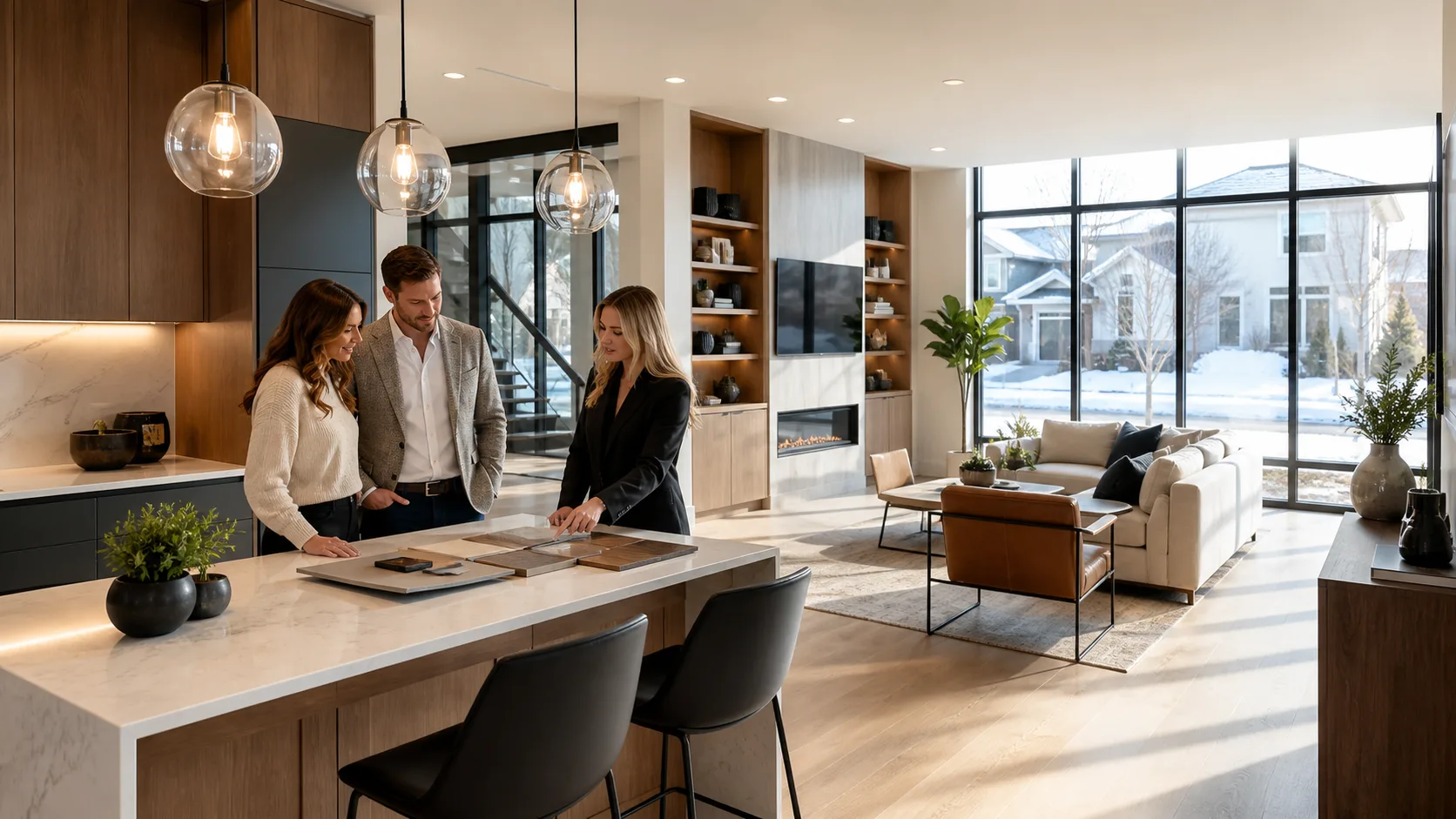

When winter settles in across Western New York, even the best-designed spaces can take on a darker, heavier feel. There’s less daylight coming through the windows, and that cozy warmth you want can sometimes feel dull instead of bright. But the good news is, warming up your home’s mood doesn’t mean a major remodel. A few simple changes can help every room feel lighter and easier to live in.
Each of these ideas fits naturally into a home focused on comfort, balance, and good planning. Many of them come from the principles of sustainable home design—where the goal isn’t just good looks but smart function and everyday comfort, especially in colder months. From small layout changes to adjusting how light moves through a room, you’re not just chasing brightness. You’re helping your home stay peaceful, steady, and more enjoyable all winter.
Designer Homes of Western New York uses sustainable home design to create spaces that feel open and comfortable all season, using layout, materials, and light for the Western New York climate.
Let Natural Light Do More Work
One of the easiest ways to make a winter home feel better is to get more out of the natural daylight you already have. In Western New York, sunlit hours get short fast once December hits. That means every bit of daylight matters.
Start with the windows. Sheer curtains or blinds in white or soft cream tones let in more light while still giving privacy. Heavy drapes or dark shades can block out sunlight without you even noticing. If you still like the cozy feel of thicker curtains, use tiebacks during the day to let the light in fully.
Next, look at the view from the outside in. Windows attract dust and streaks during colder months because of temperature changes and weather buildup. Washing them inside and out (or having someone do it for you) can make a noticeable difference in how much light comes through.
And finally, look at where your furniture sits. A well-placed chair or sofa might be blocking the sunlight without you thinking about it. Sliding things just a few feet can let more light touch the floor, bounce off walls, and make the whole place feel more open. Reflective surfaces like mirrors placed opposite windows can help, too, without turning your home into anything flashy.
Choose Materials and Colors That Reflect Light
Sometimes a room doesn’t feel dark because of lighting—it feels dark because the materials inside it absorb too much of what’s there. Changing this doesn’t mean ripping anything out. It just means picking the right shades and surfaces for the time of year.
Walls painted in off-white or light beige can help bounce natural light without making a room feel empty or cold. A flat white might feel too stark, but soft neutrals keep the warmth while still helping bounce light around the space. Low-sheen finishes reflect just enough to brighten corners without glare.
Using natural materials also makes a space feel warmer without adding heat. Light-colored woods, cottons, or soft woven rugs help reflect more light than denser, darker finishes. These things don’t need to be everywhere. A single pale coffee table, a light wood frame, or cream-toned fabric on one or two chairs can open up a space quickly.
You might also try adding small touches that look naturally reflective. Certain tiles in bathrooms or backsplashes, soft brass or brushed aluminum cabinet pulls, or even lightly glazed pottery can brighten a space in subtle ways. These changes don’t shout, but they shift things toward warmth and brightness.
Smart Lighting That Feels Easy on the Eyes
When the sun sets early, smart indoor lighting makes the biggest difference. But not all lighting works equally well. In winter, what we want isn’t more brightness, but easier, warmer light that adjusts to what we’re doing.
Instead of only relying on one ceiling fixture, think about using a mix. Pair an overhead light with table lamps, floor lamps, or under-cabinet lighting when possible. This spreads light out more evenly and avoids cold shadows. It feels calmer on the eyes, especially in the late afternoon and evenings.
Choosing the right bulb color makes a real impact, too. Bright white bulbs can feel harsh in the winter, especially in living rooms or bedrooms. Warmer-toned bulbs, which have a light closer to the color of natural firelight, tend to soften the feel of the space. You can still see clearly, but things feel cozier.
Finally, consider the size and shape of the room when picking light fixtures. A large fixture in a small hallway can overwhelm the space. A single small lamp in a big room might not give enough coverage. Think about how people move around the space and where shadows fall. Moving or swapping one or two lights can shift the entire feel of the room.
Designer Homes of Western New York can help select the best lighting solutions and fixtures to maximize warmth and comfort throughout the colder months.
Use Winter-Friendly Elements from Sustainable Home Design
Homes that stay cozy and bright during winter usually have one thing in common: they’re built with intention. That’s where sustainable home design fits in. It’s not about building from scratch. It’s more about choosing materials and features that work with the season, not against it.
Energy-efficient windows and doors are a great place to start. In Western New York, keeping out the cold helps your home hold onto more light, not just heat. Sealed frames and upgraded glass help reduce fogging and drafts, so natural light stays clear and stronger.
Solar tubes or sun tunnels are great options for areas that don’t get direct sun or don’t have space for new windows. They catch light from the roof and funnel it down into rooms like bathrooms, hallways, or closets. During bright winter mornings, these features can make a noticeable difference in rooms that otherwise feel like afterthoughts.
Then there’s the way materials are chosen. Natural woods, quality ceramics, and recycled surfaces tend to hold warmth both in color and temperature. Choosing these details for surfaces or finishes—like countertops or flooring—balances practicality with a texture that feels more alive.
These elements don’t just make the home look better. They help you feel more in tune with how the house should work during long, cold stretches without feeling dark or closed in.
Small Shifts That Lighten Up the Season
When it comes to making a winter home feel brighter, most solutions aren’t about adding more. They’re about working smarter with what’s already there. Adjusting how light moves through each room, changing some colors and textures, and choosing fixtures with care can all go a long way.
Dark, cold seasons can wear on a person. But homes that support peace and comfort don’t need to be complicated. When the parts work together, from layout to lighting to natural flow, the whole house feels more grounded. Those small shifts build a space that feels calm and relaxed—not just until spring, but every day through winter.
If your space could use more light, better flow, and materials that feel right all year long, starting with sustainable home design makes sense. At Designer Homes of Western New York, we build with the seasons in mind, helping homes stand up to lake-effect winters while staying comfortable and efficient no matter what time of year it is.