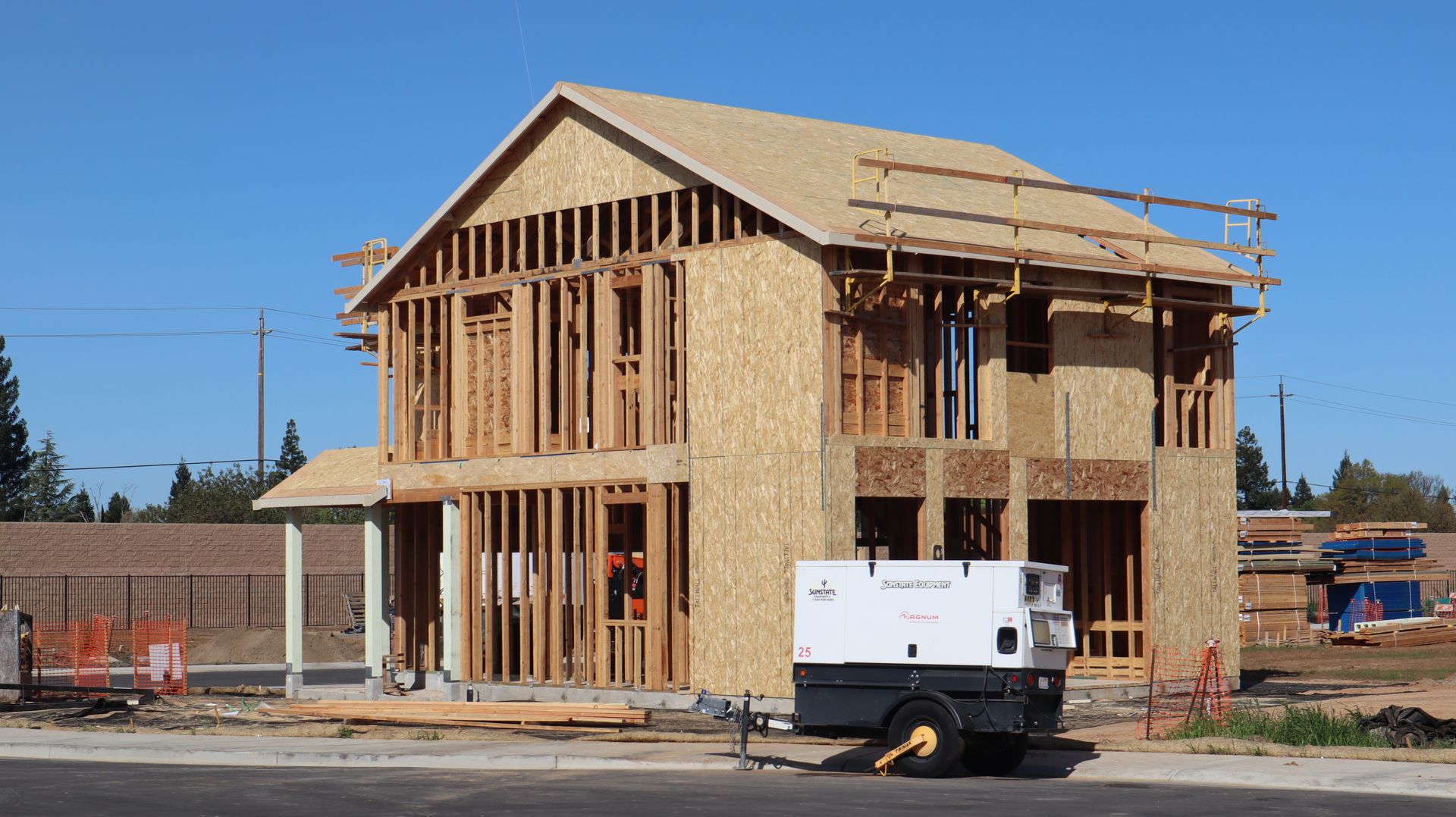
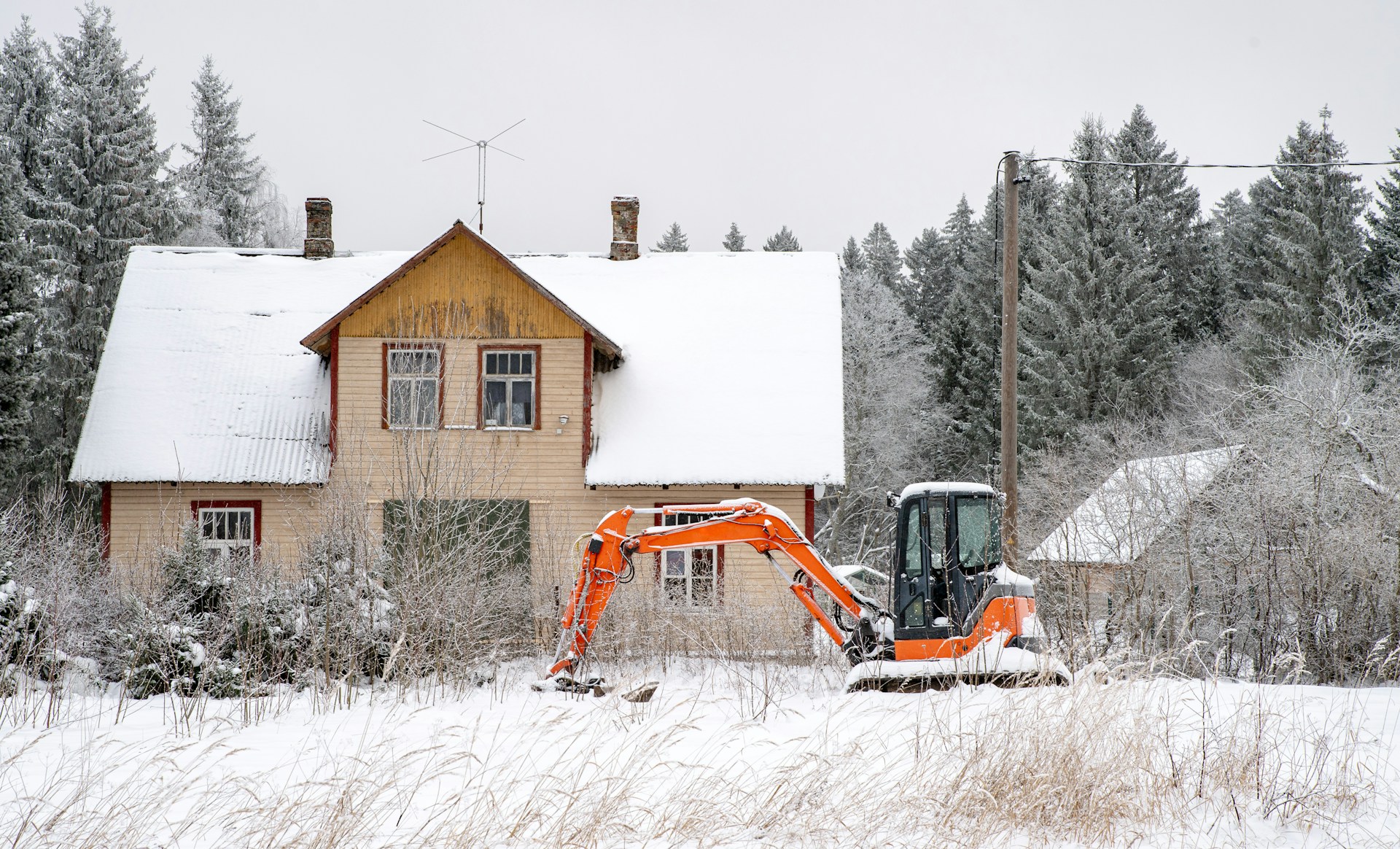
Building a home in the middle of a Western New York winter takes more than just planning. Snow, frozen ground, and slippery conditions can slow progress fast. Having the right custom home contractor makes all the difference when the weather doesn’t cooperate. You want someone who isn’t guessing how to handle the cold but knows exactly what to expect and how to pivot without panic. Winter doesn’t have to mean waiting. With the right partnership, your build can keep moving forward, no matter what’s coming down from the sky. We’ve worked through enough storms and frozen mornings to know what really works. Let’s talk through what makes winter homebuilding smoother from the start.
Look for Cold-Weather Experience
Anyone can say they build year-round. Fewer can explain how they handle tough conditions when winter kicks in. That’s where experience really matters. Before you move forward with any contractor, ask how they deal with winter challenges. This includes everything from heavy snowfall to icy work surfaces and shortened daylight hours.
A contractor who works through local winters successfully should be ready to plan for the unexpected. That means storing materials in weather-safe areas, setting up heating where needed, and knowing when certain jobs need to pause for safety or success. It also helps when the person overseeing your build has done this before. Not once, but regularly. Ask for examples of wintertime builds. A track record of success in cold months shows that your project is in steady hands.
Talk Through Timeline Expectations
Winter homebuilding doesn’t always follow typical timelines. That’s why it’s smart to talk through the schedule up front and hear how your contractor manages weather delays. Some parts of the build might move along smoothly, while others could face hold-ups when conditions get rough.
Clear scheduling goes a long way when working in unpredictable weather. Look for a contractor who includes time for winter slowdowns. You don’t want to be surprised if things shift due to storms or freezing temps. But you also don’t want someone who rushes to get ahead. A good plan mixes progress with safety and long-term quality.
Here’s what we usually talk about early in the process:
- What work can continue through winter without issue
- What parts may be impacted by freezing conditions
- How rain or snow changes the daily workflow
- What backup plans are in place when storms roll in
When timelines come with honest expectations, surprises stay small.
Discuss Communication Style
Cold weather doesn’t just affect the work. It affects how often plans change. Quick communication helps keep things on track when snow delays arrivals or a frozen morning pushes back a job. That’s why we always bring up communication style early.
Ask how your contractor will keep in touch through the build. Are there regular check-ins? Will you hear from them by phone, email, or in person when schedules shift? Will they let you know about concerns before they turn into problems?
This kind of real-time communication isn’t a small thing during winter. It helps everyone stay calm and informed when plans need adjusting. Contractors who expect winter hiccups also build those check-ins into the plan. That way, you’re not waiting around wondering if anything is happening. You’ll already know what’s next.
Plan for Site Safety and Crew Comfort
A snow-covered job site can bring risks if not handled the right way. It’s not just about keeping the build moving. It’s about keeping the people building it safe and well. That means salting walkways, snow-blowing paths to key areas, and checking that tools and machinery will start up even on cold mornings.
Along with site prep, warm gear and break spaces make the day easier for everyone showing up in freezing weather. When the crews can stay comfortable, they get more done and make fewer mistakes under pressure.
Here’s how we usually prepare for healthier workdays in the cold:
- Clear and salt all walking paths early
- Set up outdoor heaters or break spots with insulation
- Keep first-aid, lighting, and emergency gear closer than usual
- Confirm machines and power sources work right in freezing temps
It doesn’t just protect the people. It protects the build, too.
Ask About Material Handling and Storage
Cold temperatures affect parts of the build that don’t show up right away. For example, some construction materials react badly when exposed to freezing air, even for short periods. Paints, adhesives, and sealants can lose strength. Wood may warp if stored in wet or freezing conditions. Concrete needs extra curing time or heat to set properly.
Instead of waiting until it’s an issue, ask straight away how materials are handled during the winter. Where are deliveries stored? Are climate-sensitive supplies protected from frost? Will installation timelines flex based on weather?
A contractor who understands cold-weather material care will have a plan ready. That might look like:
- Heated trailers or storage sheds for vulnerable products
- Covering lumber with tarps and airflow gaps
- Adjusting delivery timing based on the 10-day forecast
- Pushing certain work to warmer breaks in the weather
Having the plan on paper before the first snow helps avoid frustration later on.
Why Winter-Ready Contractors Make All the Difference
Building in the colder months isn’t always easy, but it’s very possible with the right support in place. A custom home contractor who understands the pace of winter work in Western New York can help avoid common delays and keep your project moving forward, even when temperatures dip.
Winter doesn’t have to mean missed steps or months of waiting. With simple planning, honest communication, and a contractor who sees cold as a challenge, not a stop sign, your home can take shape right through the season. We’ve learned that steady progress, not speed, is what delivers a long-lasting result. When those steps are handled with care, the snow becomes just another part of the schedule rather than an obstacle.
Building during the winter months in Western New York takes patience, planning, and the right support behind every step. If you’re thinking about starting fresh with a new build, it helps to work with a trusted partner who understands how seasonal conditions affect timing, materials, and workflow. Choosing a proven custom home contractor lets you keep your project moving forward without guessing what comes next. At Designer Homes of WNY, we’ve seen just how much a good plan can take the stress out of winter building. Give us a call to talk through what your timeline could look like.