Some homes just don’t flow the way we want them to. Maybe it’s a tight hallway that always feels crowded or a living area that never seems to work no matter how the furniture’s arranged. These problems are frustrating, but that doesn’t always mean knocking down walls is the only option. In many Western New York homes, much of what feels off can often be solved through better planning and design.
With the help of a thoughtful home design service, there are ways to rework how your space feels and functions without touching any structural elements. It’s surprising how even a few small changes can give a space new life. Below are some smart layout ideas that reshuffle how a home works, no sledgehammer required.
Reworking the Flow Without Touching the Structure
When something about a space feels wrong, it’s usually related to how you move through it. If rooms feel cramped or disconnected, shifting the flow might be what’s needed. And no, that doesn’t mean pushing back walls.
Start by looking at your furniture layout. Are there clear walking paths from one space to another, or do chairs, tables, or cabinets block the way? Sliding furniture just a few feet can often create better movement. Angle a piece in a corner or pull seating away from entryways to open things up.
Doors are another reason movement gets clunky. If a hinged door swings into a small room, it might be taking up space you’d rather use for something else. Swapping standard doors with sliding or pocket doors can open up the area while keeping it private.
We also look at how people live in the home each day. If everyone’s walking through the same narrow hall to get to the kitchen or laundry, we think about shifting what’s nearby. Sometimes it simply means putting the mudroom storage somewhere more intuitive or clearing visual space between zones. These small changes can make a big difference in how easy it feels to navigate your home.
Designer Homes of Western New York regularly recommends furniture layout reviews and door upgrades as part of their home design service, offering clients flexible solutions that fit the current structure.
Making the Most of Underused Spaces
We’ve all got those weird corners or leftover spaces that seemed like a good idea on the floor plan but never quite made sense in real life. Instead of letting them collect clutter or stay empty, we treat them as part of the solution.
A shallow nook off the hallway might seem too small to matter, but it can become a smart storage area with a custom bench, cubbies, or floating shelves. Alcoves can double as small home offices, and the space under stairs can become a tidy zone for bags, chargers, or coats.
Built-ins are another fix. Adding drawers, open shelving, or cabinets keeps the footprint tight without sacrificing storage. Unlike bulky dressers or standalone units, built-ins blend into the space and feel more natural.
Even rethinking closets—how they open, what they hold, or which room they connect to—can clean up visual noise and give you more use from nearby areas. Sometimes we’ll shift what’s stored in what space just to balance things better. Odd areas don’t need to be wasted space. They can become part of what makes the layout work.
Designer Homes of Western New York specializes in creative built-in storage that’s designed to fit unusual spaces and make daily life more organized and efficient.
Using Light and Color to Open Up Rooms
Lighting affects how a space feels just as much as walls and furniture. If a room feels tight or uncomfortable, you might not need more square feet—you might need better lighting.
Start with the layers of light. One overhead fixture is rarely enough. Layered lighting means adding lamps, wall sconces, or under-cabinet lighting for tasks or mood. This adds depth and flexibility and can change how large or small a room feels.
From there, color makes a big impact too. Lighter tones open up a room visually by bouncing light around. Creams, pale grays, or soft pastels help walls fade back instead of enclosing the space. Keep contrast low to avoid harsh edges that stop the eye.
Mirrors are great tools here. Placed across from windows or other light sources, mirrors spread daylight across the room and can make even compact spaces feel more open. This means fewer shadows, more light where you need it, and a room that feels like it’s breathing again.
Zoning with Visual Elements
One of the ways we create better flow and function is by using subtle visual cues to define space without needing walls. Zoning is about making each area feel purposeful and connected, even when there’s no physical barrier.
Rugs are one easy way to do this. A large rug anchors a seating area. A smaller runner can mark a hallway through an open space. This divides activities and guides the way you use the room.
Paint helps too. Maybe one wall is a slightly deeper tone or gets an accent treatment like paneling. That signals this side of the room is used for something different, like a dining area or reading corner.
Even ceilings come into play. A pendant light dropped over a dining area defines that zone. A ceiling detail, like beams or paint variation, draws attention to a specific area and makes it feel like its own little room.
When we work on these changes, we also pay attention to material touches. The feel of different textures, from soft textiles to hard surfaces, can tell your brain what a space is for. These small prompts help a room feel organized without needing heavy walls.
When to Call in a Home Design Service
Sometimes we live with a layout that doesn’t really suit us because we can’t quite spot what’s wrong. It might feel fine at first, but the flow slowly breaks down as life changes or our needs shift. That’s where a home design service comes in.
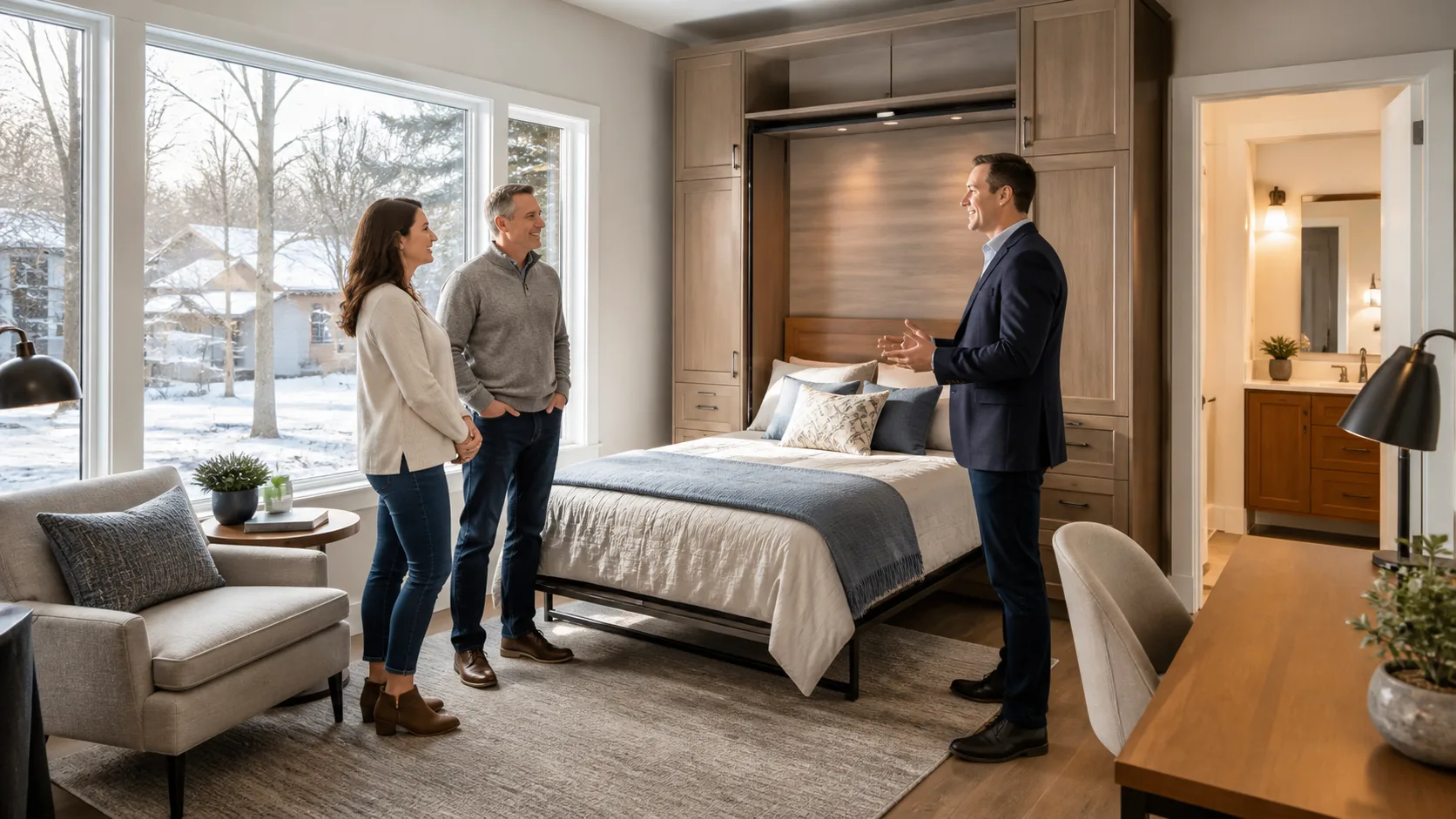
We’ve worked with families across Western New York who weren’t sure why a space just didn’t feel right. Once we spent time walking the space, the problems usually showed themselves. Maybe it was a high-traffic area that backed into a dead-end corner or a useful room that stayed empty because it felt disconnected from the rest of the home.
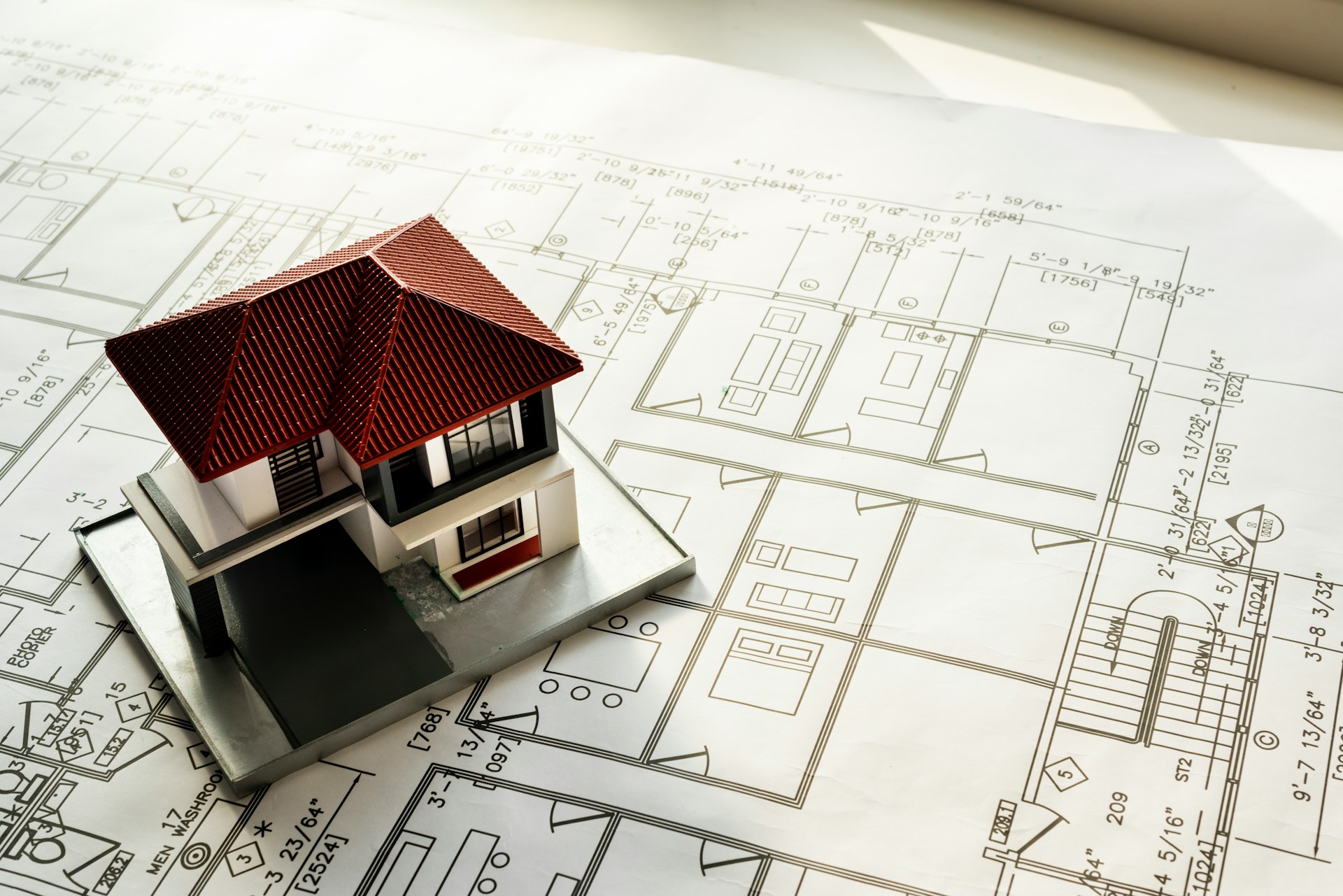
What we bring is a fresh eye—and a plan. Instead of recommending full renovations right away, we study the existing layout and find ways to make better use of what’s already there. That includes furniture layout, lighting plans, storage design, and movement patterns that match your lifestyle.
And most of the time, we’re not touching walls. The goal is to work within your space and shape it around how you actually live.
Design that Works Without a Sledgehammer
Fixing a frustrating layout doesn’t always require construction. Sometimes the smartest changes are the quiet ones—a couch moved a few feet, new lighting in a hallway, better storage in the kitchen. Layers like this can transform a home’s flow without taking it apart.
In Western New York, where fall leads into busy indoor seasons, it’s a perfect time to make inside spaces feel better. With the right updates, rooms feel easier to move through, more comfortable to live in, and more connected to how you spend your time. Small changes done well can bring relief and calm to everyday life, and that’s all most of us really want in a home.
A fresh layout can make a big difference when your home needs to work better with how you actually live. At Designer Homes of Western New York, we help you rethink the flow and feel of your home through a thoughtful home design service that works within your space and brings each room into better balance.