
Designing a house from the ground up may sound simple at first—put together a list of rooms, pick a look you like, choose a plan, and build. But the reality is, each part of a home impacts the way you live, the way the structure works over time, and the way it feels every season, especially in places like Western New York, where snow, wind, rain, and sun all shape the year in their own ways. That’s where new home architects come in. Unlike builders who focus on turning plans into structures, architects step in much earlier, translating what someone imagines into something they can see, walk through, and eventually live in.
Their work goes beyond drawings. A good architect helps shape the whole path forward. They look at how people live, where they live, and how the home will work across different conditions—cold winters, warm summers, shifting daylight, changing views. In Western New York, where the first signs of winter start to creep in by November, it’s even more important to get this part right. Good planning now saves energy, improves comfort, and lasts well into each season ahead.
Drawing Up the Vision: Turning Ideas into Layouts
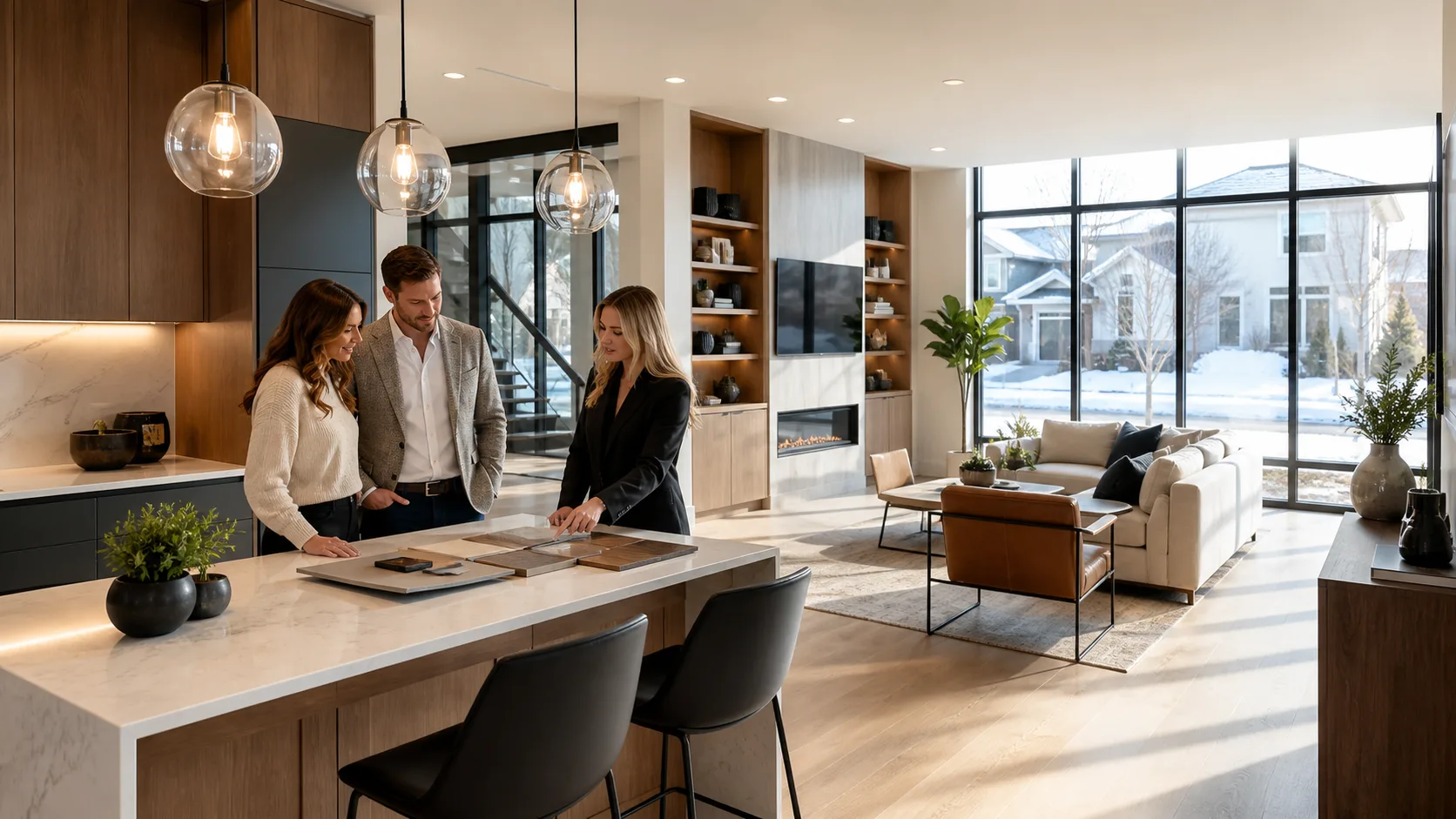
Every new home starts with a set of thoughts—some clear, some still forming. Maybe it’s a wish for more natural light, a shared workspace, or simply a place where grandparents can stay. Architects begin by listening, asking questions, and sketching out what those wishes might look like in physical form. These early drawings are where a home starts to take shape.
But it’s not just about what goes on the page. The land itself plays a big part. Is the lot flat or sloped? Where does the sun rise and set? Is there a view to frame? Architects study these details and build them into the layout. In Western New York, that might mean placing main windows to the south to catch solar warmth or adjusting roof design to handle heavy snow loads. Even how close a home sits to neighbors affects its shape. These decisions in the early design stages go on to shape how a house functions, how it feels to walk through, and how it handles everything from noise to weather.
Designer Homes of Western New York collaborates with clients from the earliest sketches, developing layouts that fit individual lot shapes and maximize views and natural light, so each design feels custom from the start.
Balancing Function and Style Before the Build
Architects don’t just draw what looks nice. They spend just as much time thinking through how each part of a home will actually work. That means figuring out how someone moves through the space, where storage hides (or shows), and how light, air, and temperature shift from one area to another. They need to make sure busy morning routines don’t get stuck in a hallway that’s too tight or that a kitchen with great style still has room to use.
Style shows up in all of this, but so does smart planning. In Western New York, winters are known for deep snow and sharp cold. That impacts a lot—window size and placement, how the roof sheds moisture, which materials stand up best outside, and how insulation is layered inside. These choices aren’t just cosmetic. They work together to create homes that feel thought through, not just covered in trends or basic moves. A pretty front porch means very little if the front door is always losing heat.
Designer Homes of Western New York’s new home architects work closely with clients to balance individual taste with the seasonal needs of the area, offering material and layout advice tailored for weather, comfort, and personality.
Working with Other Experts During Design
A big part of an architect’s job is coordination. Once a rough plan starts to come together, they bring in voices that can shape it further—engineers to check structure and soil, builders to weigh in on timeline and materials, and trade experts like electricians and plumbers to make sure what’s on paper will work in the real world.
This back-and-forth keeps things running smoothly. It’s where a heating contractor might suggest moving duct lines on the plan to work with the system, or an electrician points out better ways to position outlets or lighting. These are often small pieces, but skipping them can lead to costly changes or delays later.
Architects track those contributions as they go. If a layout needs an adjustment, or if budget or materials shift the plan, they help make those adjustments make sense. It keeps expectations clear and avoids overload during construction when changes are harder to manage.
Staying Involved Through Construction
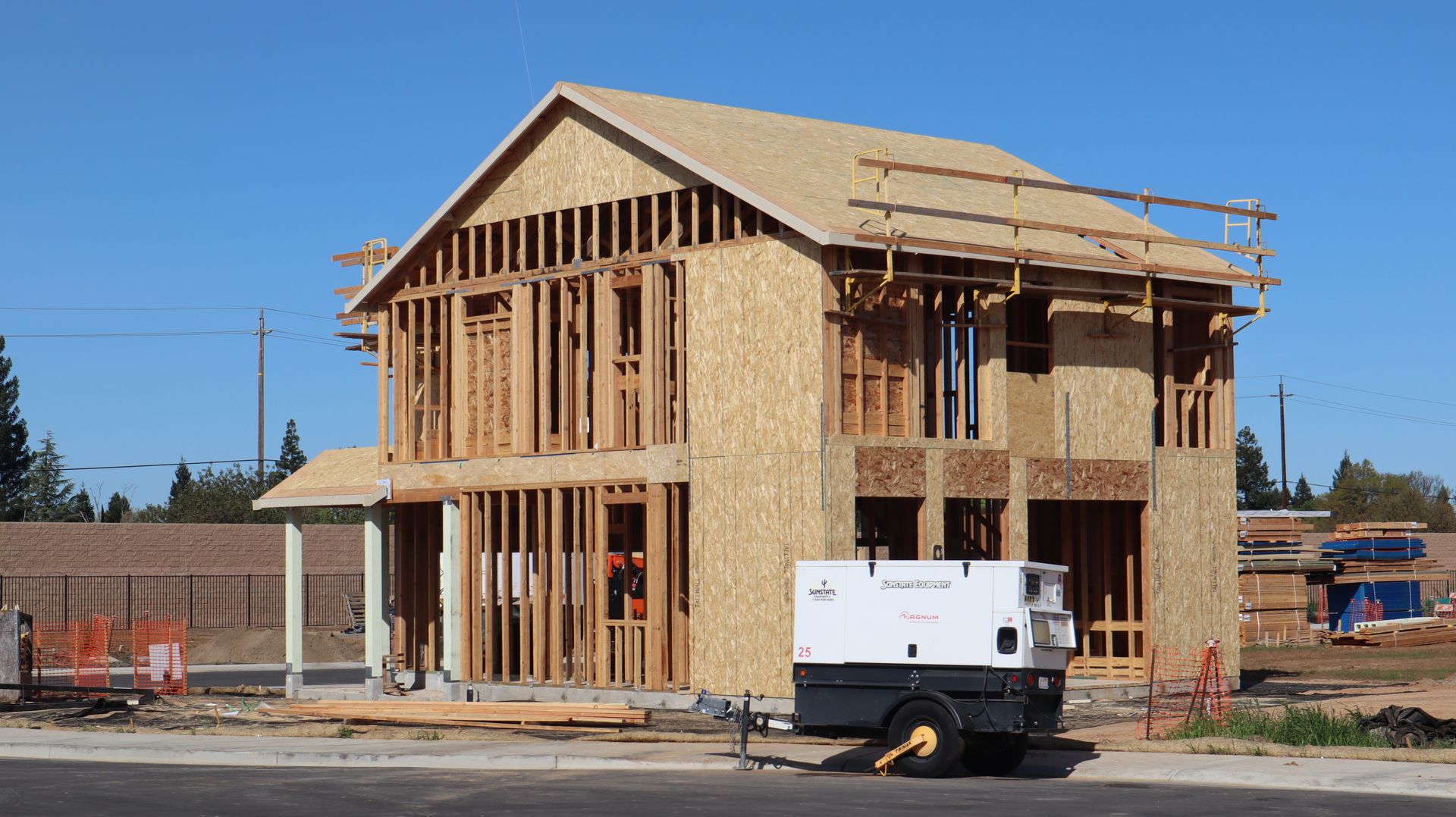
Once the drawings are done, the job isn’t over. Good architects stay close to the build—not every day, but regularly enough to keep plans moving how they should. They drop in to check progress, answer questions, and act as a sort of translator when something on-site doesn’t match what’s in the file.
Sometimes it’s a material that looks different in person or a wall that needs to move slightly during framing. Other times it’s bigger—like making a call on the fly when a foundation hits unexpected rock or a feature window arrives with the wrong opening. In these moments, having the architect stay connected keeps the house grounded in the original vision.
Without that link, details can stray. A window might move, but no one checks if the view is still framed. A layout alteration might solve one problem but create new ones. Architects know how those pieces fit, and staying involved helps protect that puzzle until it’s complete.
Why Their Work Feels Personal
Every person lives in their home differently. That’s why a good architect doesn’t just listen to “I want a large kitchen” but asks how it will be used, who cooks, and where people tend to gather. Some clients want space for a home office. Others need a quiet spot for an aging parent or a spot where kids and pets don’t take over the rest of the house.
These details shape decisions about layout, materials, and more. They help answer questions like where to put a mudroom or why a laundry room should connect to bedroom closets. Life stage plays a big role too. Architects design differently for a couple planning to grow their family than they do for someone downsizing after retirement. The way schedules, hobbies, and daily habits play out inside a home is just as important as the size or height of any room.
Building with Confidence in Every Season
New home architects do a lot more than draw walls and windows. They lead the process of making a home feel like it fits the people living in it, the land it sits on, and the seasons it stands through. In Western New York, those seasons range from long sunny evenings to hard freezes and heavy snowfall, sometimes all within the same month. That’s why good planning matters.
When we design well from the start—with the site, the structure, the systems, and the feeling of the space all working together—we help create homes that don’t just work, they feel right. And that feeling lasts, from the quiet of snow-covered streets in winter to the warm breeze through open windows in early fall. That’s the real job of an architect: to connect what’s in someone’s head with what ends up under their feet, one space at a time.
Planning a custom build in Western New York starts with choosing people who really understand how design and lifestyle fit together. At Designer Homes of Western New York, we guide the process from the first ideas to the last details so everything works the way you want it to. Our new home architects focus on what matters most to you—location, layout, and how it all feels once it’s done.