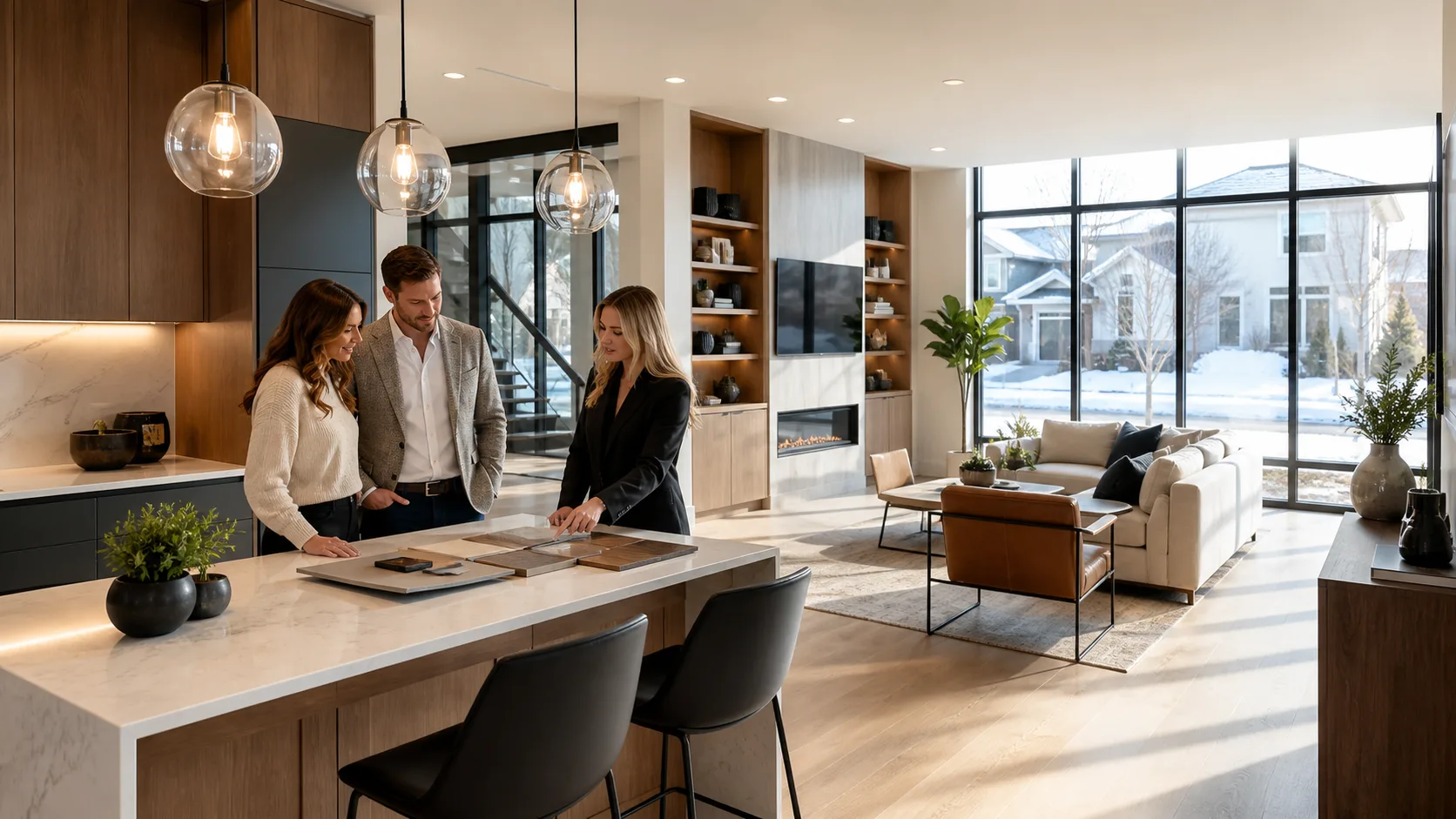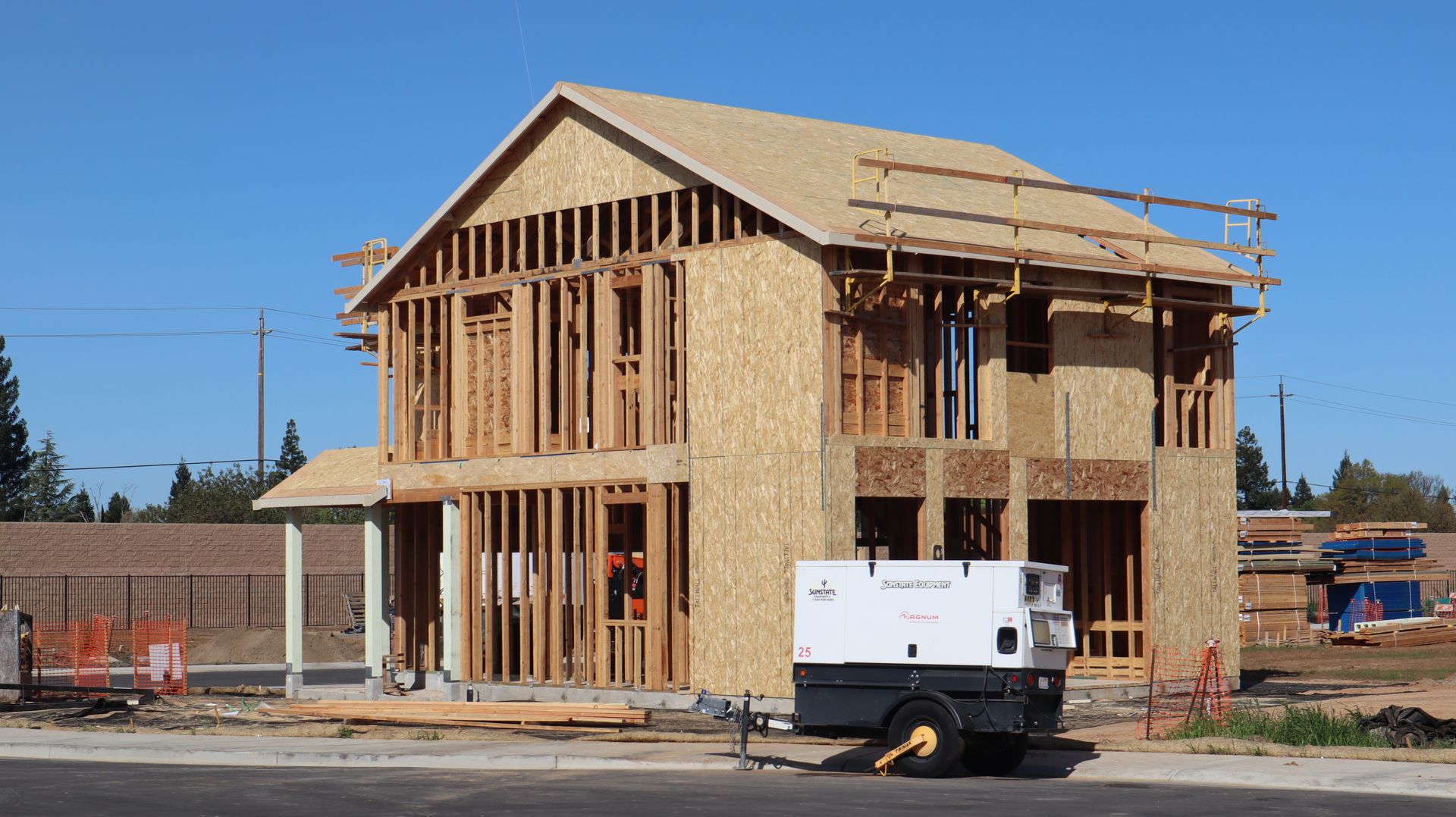
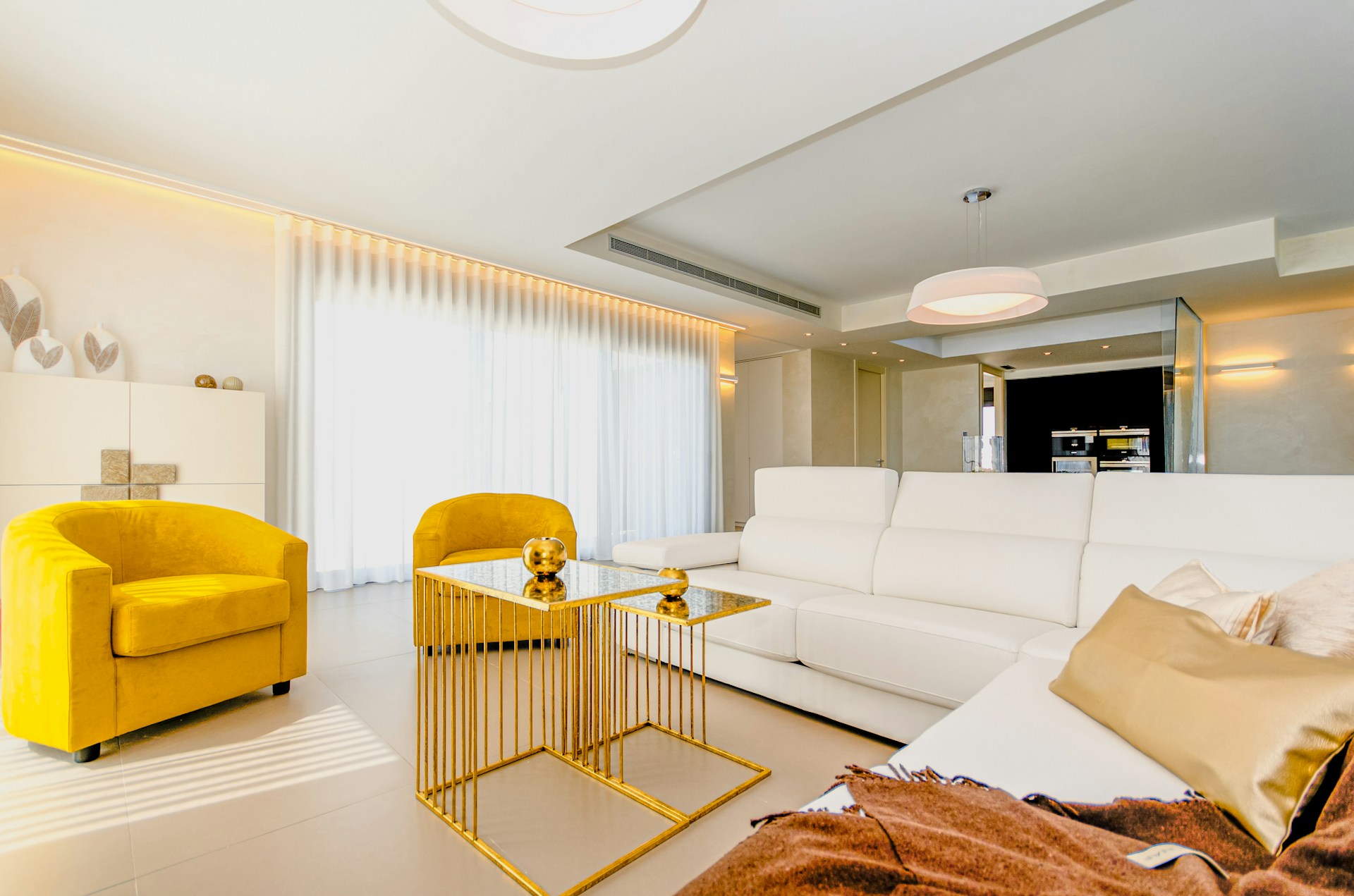
Walking through a model home is one of the more exciting steps in the homebuilding process. The design, finishes, and layout all come together right in front of you—not just on paper or screens. It’s a moment where plans start to feel real. But beyond the surface appearance, the walkthrough gives you a chance to ask clear, thoughtful questions. It’s a preview of what your future home could be, and it’s the perfect time to dig a little deeper.
Asking the right questions helps you understand what’s being offered, what can be changed, and what it will really be like to live there. You don’t need to be an expert to ask smart questions. You just need to stay curious, know what lifestyles you’re planning for, and pay attention to how every room feels. That way, you’re not just charmed by pretty staging, but confident that the construction, features, and layout will work for your daily routine.
Understanding the Layout
The layout of a home plays a big role in how it feels day-to-day. Some floor plans may look impressive but feel awkward once you’re picturing your real furniture in place or how your family moves between rooms. During your model home tour, take your time walking from room to room with your daily rhythm in mind. Every layout detail, from the kitchen’s distance to the garage to how close a bedroom is to family areas, will shape your comfort.
To help you make the most of the layout review, ask:
1. How does this layout support my everyday routine?
2. Are any rooms too closed off or too open for my taste?
3. Can the bedrooms be grouped differently for privacy or proximity?
4. Is there enough room in storage areas, hallways, or shared spaces?
5. Are there alternative layout choices if this one doesn’t fit our needs?
If you’re thinking of changes like combining two smaller bedrooms into a larger one or creating more open kitchen space, now’s the time to ask whether that’s doable. Every builder works within certain guidelines, but many offer flexibility. For example, someone working from home may want to swap a dining room for a home office. These questions aren’t about being picky. They’re about knowing how your home will truly function.
Construction Quality and Materials
It’s easy to get swept up by design, paint choices, or light fixtures, but the structure behind all that is what really counts. Model homes are usually presented in their best form, so you want to go one layer deeper. Asking about the materials used and build standards gives you a better understanding of how long things will last and how much maintenance might be involved later on.
Some basic questions to consider include:
1. What foundation and framing materials are used for the construction of a model home like this?
2. What type of insulation goes into the walls and attic?
3. Are the floors made of engineered wood, laminate, or something else?
4. Is this the standard quality across all builds or specific only to the model?
It’s also helpful to ask if the finishes you’re seeing—like flooring, cabinetry, or countertops—are standard or upgraded. Sometimes what you see in a model includes high-end options that don’t come with the base plan. Walk over different surfaces and gently open cabinets or doors with permission. How things feel can tell you a lot about quality. You’re not being a home inspector. You’re just being smart about what you’re stepping into.
Customization and Upgrades
Once you understand the basic layout and build quality, it’s a good time to focus on what can be changed and what comes standard. Most model homes include upgrades that help showcase what’s possible, but not everything you see might be part of the base plan. Asking the right questions here can give you clarity and help avoid surprises later.
Start with these:
1. Are the finishes and fixtures in the model included in the base price?
2. What areas can be upgraded, and what choices are available?
3. Can I tour homes with different upgrade ranges to see the differences?
4. Are tech features like security systems or smart thermostats included?
5. What’s the process for selecting customization options?
Don’t hesitate to ask for examples of recent custom work. Hearing about other choices clients have made can give you ideas and help you decide what’s worth spending on. For example, someone might have swapped carpet for luxury vinyl flooring in high-traffic areas or decided to add built-in shelves in a family room. These kinds of upgrades aren’t just cosmetic. They often make daily life smoother.
Stay focused on things that matter to how you live. Aesthetics are great, but function is where your money works hardest. Whether it’s an oversized kitchen island or a more practical mudroom, this part of your walkthrough is where your vision comes into play.
Warranty and Maintenance Expectations
After the excitement of finishes and personalization, make sure to talk about what supports your home long after move-in. Understanding the warranty and knowing how to care for your home saves trouble later on. Think of this part as protecting your investment. Not just fixing what might go wrong but learning how to keep everything running right.
Here are a few good questions to bring up:
1. What is covered under the builder’s warranty?
2. How long does each part of the coverage last?
3. Who do I contact if something goes wrong?
4. Is a maintenance schedule provided for basic care?
5. Are HVAC, plumbing, and electrical work under separate warranties?
It’s also fair to ask how service calls and communication typically work. Will the builder come out and check on issues right away, or is there a review process? The better you understand this now, the easier it will be later if anything comes up. Some builders even offer check-ins during the first year. Find out if that applies. Check what maintenance is expected from the homeowner too. Simple routines like testing your sump pump yearly or knowing when to replace HVAC filters help avoid bigger problems.
This is the part of your walkthrough that’s all about peace of mind. You’re not expecting things to break, but it’s good to know you’re covered if they do.
Putting It All Together
A model home walkthrough gives you access to more than just square footage and nice finishes. It’s a chance to ask clear, practical questions from people who know the construction of a model home in Western New York inside and out. Whether it’s the flow of the layout, the strength of the materials, or how flexible the design can be, the right questions help uncover what’s actually possible for your future home.
Everyone has different needs. Maybe you’re planning to grow your family, or maybe you’re downsizing and ready for less upkeep. Either way, your time walking through the model should reflect your lifestyle and concerns. Don’t hold back. Be honest about your goals and listen carefully to the answers. When you do that, the path to building a home that fits you becomes a whole lot clearer.
Creating a dream home begins with asking the right questions during your model home walkthrough. As you consider what fits best for your lifestyle and preferences, remember that a thorough understanding can make all the difference. Learn more about how the construction of a model home can meet your unique needs with guidance from Designer Homes of Western New York. Uncover the possibilities that align with your vision and let our expertise help bring your dream home to life.