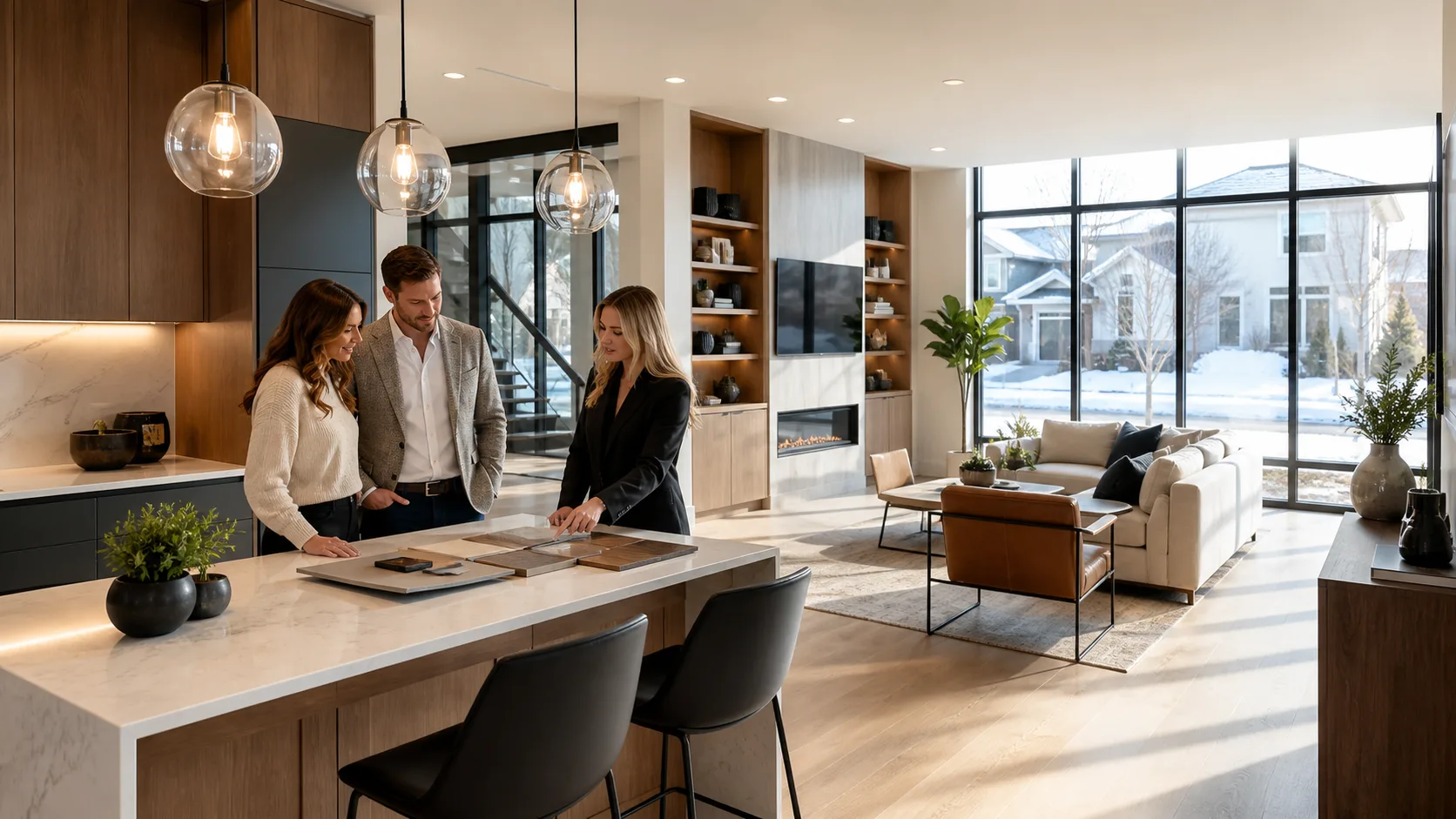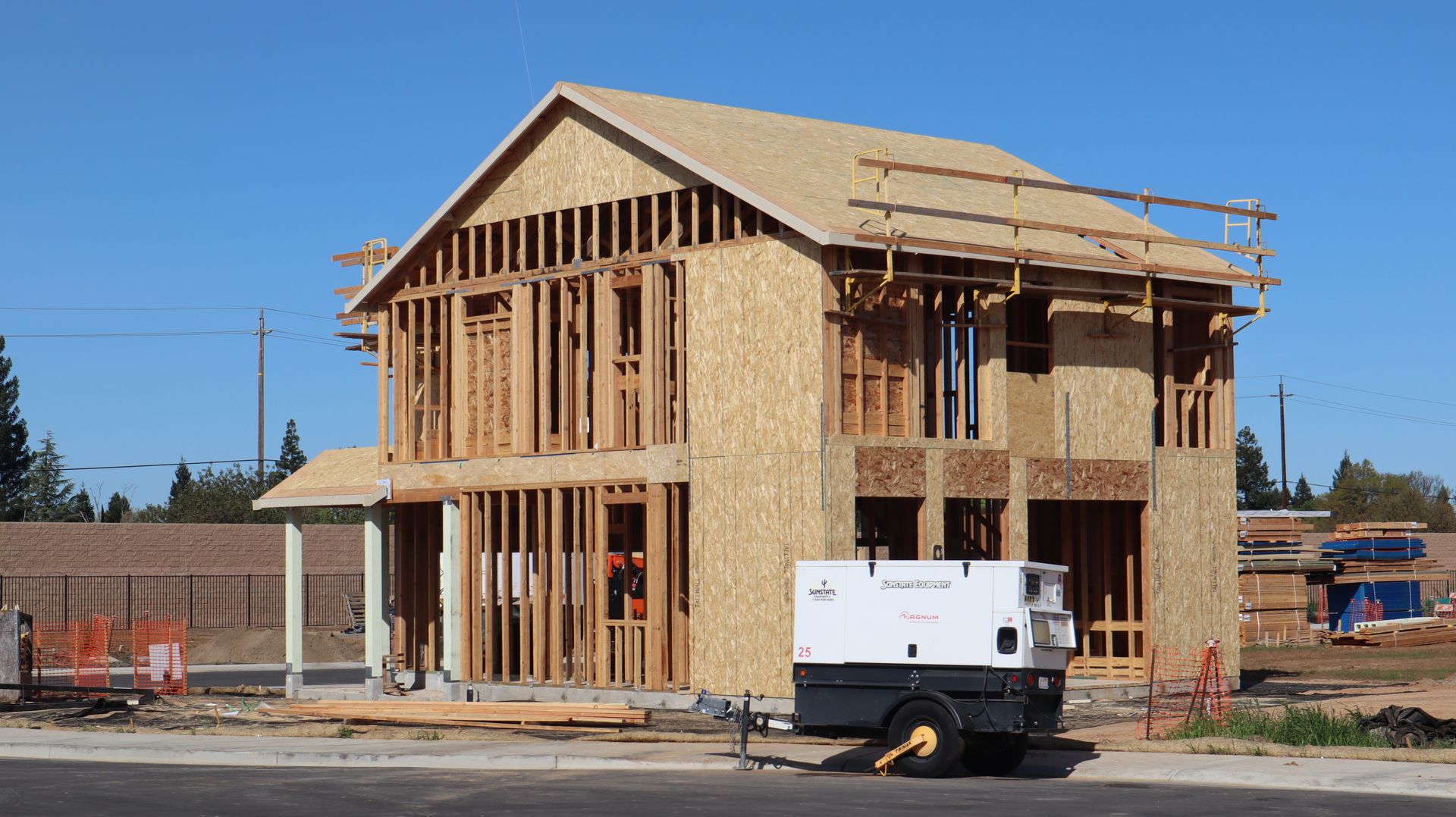
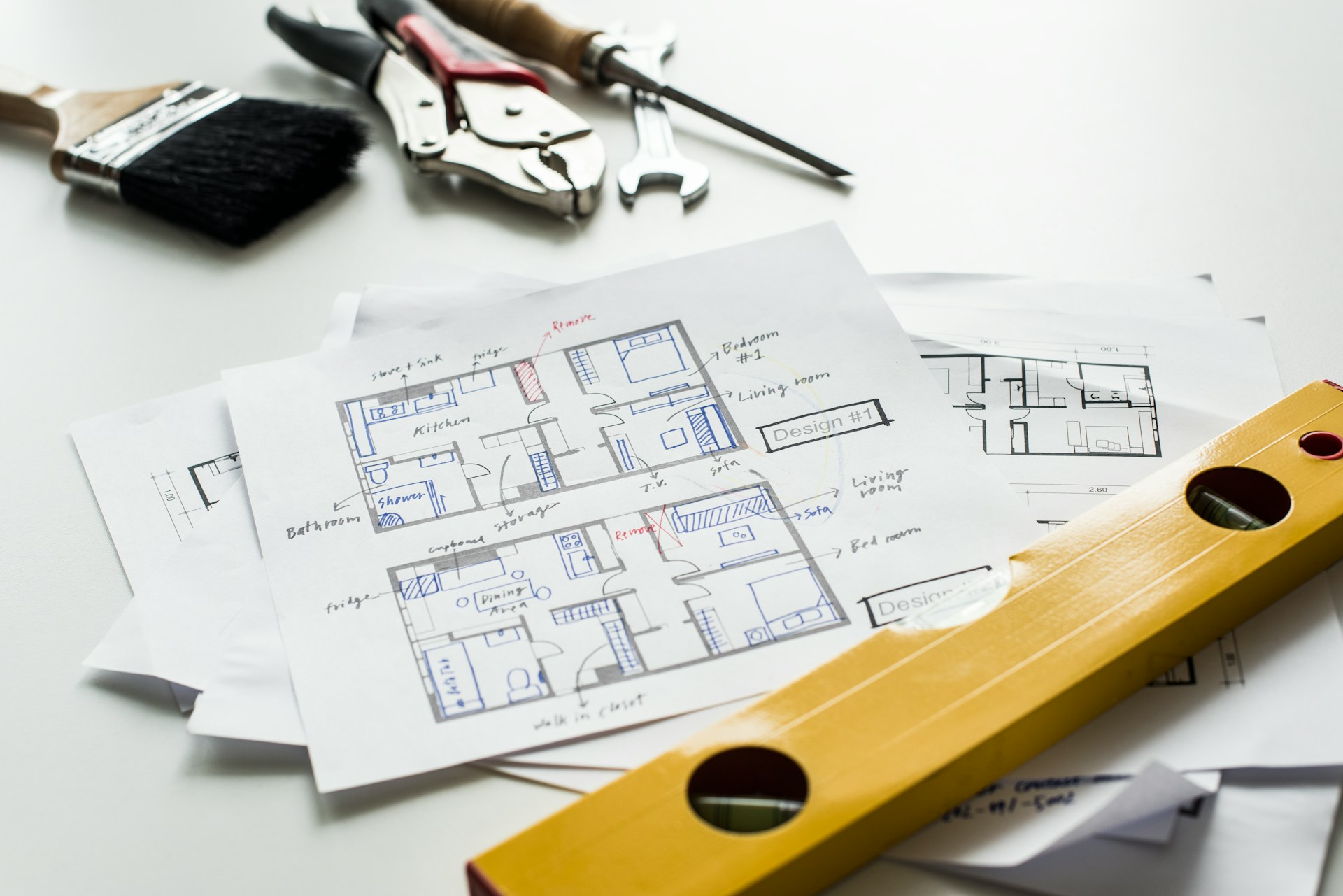
Winters in Western New York aren’t just chilly. They change the way we live inside our homes. Bigger coats, wetter floors, shorter days. All of it creates little challenges that shift how even the best-designed spaces feel once the snow starts falling. Tight entranceways suddenly overflow. Narrow hallways feel slower and more crowded. And all that cozy togetherness over the holidays? It reminds us how movement really matters inside a house.
This season draws attention to the small layout problems we usually overlook. That kitchen shortcut that doesn’t work when guests are visiting. The closet that’s never big enough for everyone’s boots. A smart solution starts before the walls go up. A custom home design build gives us the chance to fix cold-season frustrations now instead of fighting them year after year.
Identify the Friction Points Winter Creates Indoors
The minute boots start piling up inside the back door, you can feel winter settle in. Entryways carry the weight of the season—literally. Mudrooms get messy fast when there’s no storage plan for bulky jackets or soaked gloves. If the front door opens straight into the living space without a quiet corner to drop bags or dry off, the whole area can feel thrown off.
Then there’s the fact that Western New York winters keep us home more than usual. When outdoor patios and porches freeze over, all activity turns inward. Families spend more time cooking, gathering, and relaxing all under the same roof. That constant use isn’t always something a home was designed to support. Kitchens see more foot traffic. Bathrooms stay busier. And shared spaces like living rooms or dens double as workstations, homework zones, or play spots.
This is when flow starts to matter more. If moving from one room to the next feels tight or awkward, it affects how relaxing time at home really is. Even something simple, like everyone heading to the kitchen at once, becomes a puzzle if the layout wasn’t made for cold-season living.
Layout Decisions That Improve Cold Season Living
The right base plan can do a lot of heavy lifting during a Western New York winter. Homes with open or semi-open layouts tend to stay warmer and feel less cramped. These designs make it easier for heat to circulate and people to gather without running into walls, literally or figuratively.
Storage becomes less of a headache when it’s part of the plan from the start. Built-in shelves or window benches with hidden compartments give gear a home without making the space feel crowded. Even small touches like coat hooks at the right height or narrow lockers near a garage door help daily routines run more smoothly.
Something else to think about is how foot traffic naturally flows. If getting from the kitchen to the family room means cutting through the dining table, that’s fine in summer but frustrating in winter. Real comfort comes from being able to move from one high-use zone to another without stopping or weaving. Good design eliminates those pinch points so that home feels open, even when everyone’s there at once.
Designer Homes of Western New York integrates built-in storage and semi-open floor plans into their custom home design build, helping families reduce clutter and create more functional rooms for every season.
Designing Around Family Traffic and Guest Movement
Holiday dinners, sleepovers, New Year’s visits—winter brings people with it. And not just immediate family. Whether it’s grandkids on break or neighbors dropping by, traffic inside the house picks up. If we don’t plan for that, things get stuck.
Bathrooms should be easy to find and near the busiest parts of the house during winter. Same goes for coat storage and quick seating options. Guests shouldn’t have to guess where to stand or where to put their things. Designers often place powder rooms near main entry areas and add small nooks that double as coat-drop zones or shoes-off spots.
Even hallway width makes a difference. If two people can’t pass each other without turning sideways, the layout might need to stretch a little. And staircases matter too. A well-placed stairwell that gives quiet access to upstairs guest space—or a family room tucked away from the busy kitchen—can create breathing room when the house is full. These changes don’t need to be dramatic. But when they’re mapped into a custom design from the start, peace and quiet become easier to build into everyday life.
In their custom home design build process, Designer Homes of Western New York includes features like widened halls, extra storage, and purposeful nooks so winter households run smoother no matter how many guests show up.
Planning for Warmth and Light in a New Design
Winter in Western New York doesn’t just drop snow, it drops light. Days are short. Nights last longer. That means every bit of sunshine and indoor warmth counts. So the way a home is built should help fill in those gaps.
Window placement is one way to do it. Letting natural light spread into key living areas means fewer daytime shadows and dark corners. It can make everything feel more awake even on snowy afternoons. Pair that with smart insulation choices—walls, ceilings, and windows that hold heat better—and the house works harder to keep comfortable through February and March.
Heated floors, especially in spots like bathrooms or mudrooms, carry a different kind of everyday comfort. So do small-scale, zoned heating setups that let different rooms stay warmer or cooler depending on how they’re being used. Think of a sunroom that doesn’t shut down in winter or a guest room that’s always ready when needed.
Even surface materials make a difference. Wood, plush carpet, and soft tile help rooms feel warmer, even if the thermostat doesn’t move. Layering lighting with dimmable lights or under-cabinet fixtures keeps indoor life feeling calm and cozy, even during gray stretches when daylight doesn’t show up much.
When to Start a Custom Home Design Build in WNY
The truth is, winter is one of the better times to sit with the big picture. While outdoor work usually slows down after fall, design planning can move along inside without skipping a beat. That makes late November through early March a great window to plan a future build—especially if you’re trying to head off next winter’s same old frustrations.
Building in Western New York means waiting until the ground thaws to break out shovels anyway. That space between now and spring becomes a good buffer to make changes before anything is set in stone. It gives breathing room for laying out draft plans, reviewing flow setups, evaluating finishes, and staying ahead of permit timelines.
It’s not about rushing. It’s about giving the cold months a job. Putting layout ideas on paper while they’re top of mind helps us create a home that’s shaped around real family habits, not just ideas.
Building Now for Next Winter’s Comfort
Fixing what’s not working now means next year looks a whole lot different. Homes designed to match how we actually live in winter take the stress out of cold mornings, big gatherings, and long days spent indoors. You get better movement, smarter storage, and more comfort without having to rearrange your life when the seasons change.
The best part? A cold-weather choice often makes life better year-round. The hallway that stays dry in February feels open in June. The sunlight you planned for during short days still pours in when the leaves return. Planning with winter in mind doesn’t limit the design. It stretches it. So the home moves with you across seasons and years alike.
When you’re ready to make winter living easier and more comfortable, we’re here to help shape a space that fits your everyday rhythm. At Designer Homes of Western New York, we design homes that feel bright, efficient, and welcoming year-round through thoughtful custom home design build projects across Western New York.