When people think about building or updating a home, they want something that feels beautiful and works well in daily life. Over time, what works well can change. Whether it’s a matter of getting older, helping a family member, or planning for future comfort, many homeowners in Western New York are looking for ways to make their spaces easier to move through. But no one wants to give up a clean, welcoming look just to do it.
That’s where smart planning comes in. With the right approach from professionals offering home design services, it’s possible to create a space that looks just the way you want and still supports comfort, safety, and ease of use. Designer Homes of WNY builds luxury custom homes and patio homes throughout Western New York, so accessibility can be considered from the earliest design conversations, not added as an afterthought. Done well, these kinds of updates don’t call attention to themselves. They just fit seamlessly into the design you already love.
Start with Open, Thoughtful Layouts
One of the most powerful ways to create a more accessible home is by rethinking the layout. When a home is open and includes fewer tight corners or small doorways, it just feels better for everyone.
A few examples of easy layout improvements include:
- Widened doorways that make movement smoother for everyone, regardless of age or ability
- Fewer level changes between rooms so you’re not stepping up or down as you walk from one place to another
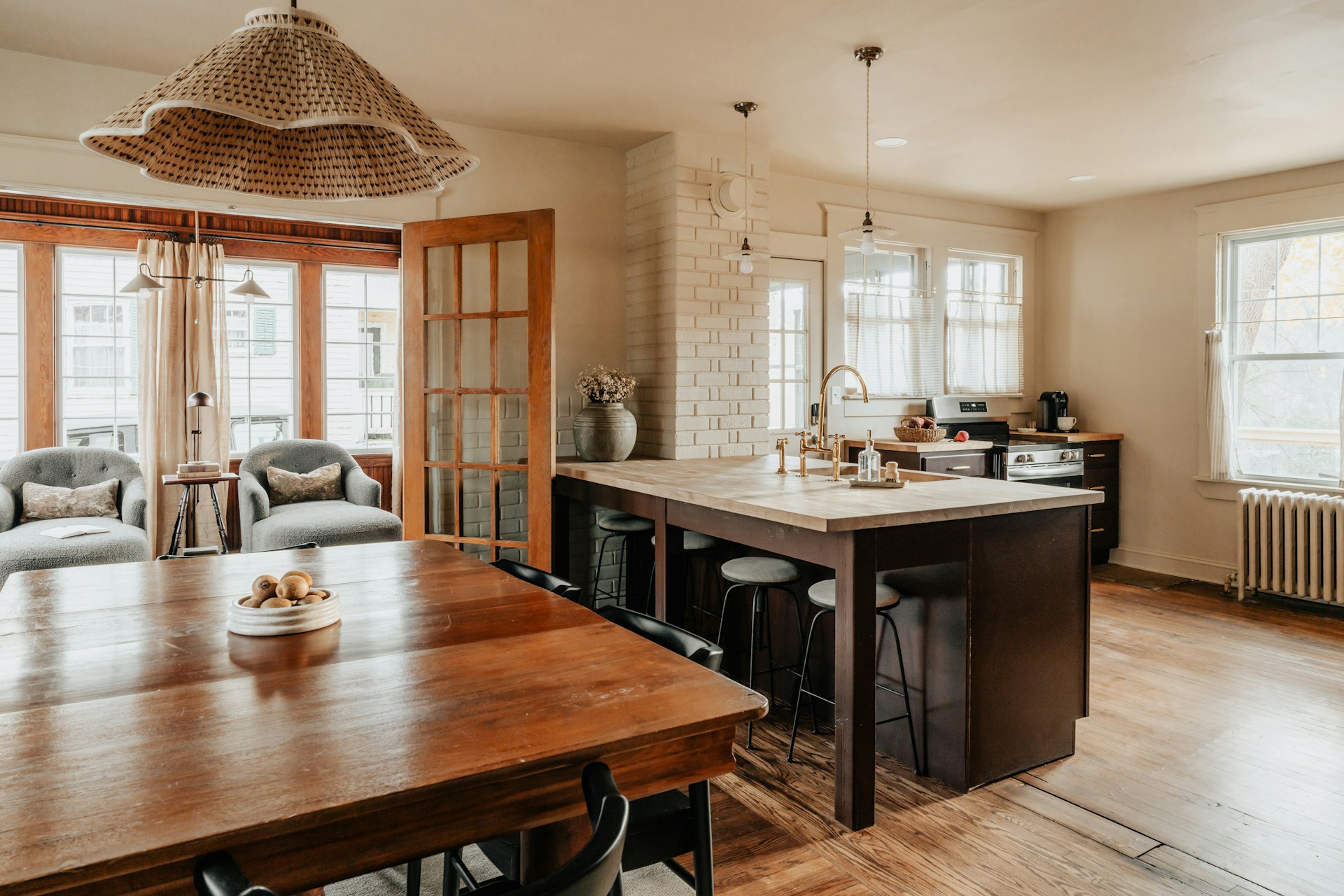
- Open kitchen and living areas where spaces flow together instead of feeling boxed in
These changes are not just about mobility. They also give the home a more modern, spacious feel. Planning for them early, especially in the design phase, means everything from room size to furniture layout works together peacefully. It helps avoid the need for big changes later on.
When rooms and hallways are designed wide from the start, it’s easier for people using walkers or wheelchairs, and it’s better for anyone just carrying groceries or moving furniture. This openness in layout makes it possible for families and guests to spend time together without feeling cramped. By discussing your needs and habits before the plans are finished, it’s easier to find opportunities for flow and function that don’t affect the home’s overall beauty.
Choose Fixtures That Blend Form and Function
The right features make everyday tasks easier without changing the overall look of a room. This is especially true in kitchens and bathrooms, where comfort and use matter just as much as style.
We pay close attention to important details like:
- Handle style, lever door handles, and wider cabinet pulls are easier to grip and still offer sleek design options
- Lighting, better lighting placement helps people see well, reduces shadows, and keeps things feeling open
- Faucets, single-handle or touch-on designs that are easy to operate and still look sharp
When these elements are planned early through reliable home design services, they feel natural in the space instead of sticking out or taking over the design.
It’s a good idea to think about how you’ll use these rooms every day, now and in years to come. Fixtures like ADA-compliant sinks or barrier-free showers can be picked in finishes that match the style of the rest of the home. Little details, like where outlets are, whether your knobs are easy to reach, or if bathroom mirrors are set at the right height, shape comfort far more than you might expect.
Stay Smart with Floors, Seating, and Storage
Some of the most used parts of a home are the ones people often don’t think much about, the floors, places to sit, and where things are stored. Making these things just a little easier can go a long way.
Here are a few changes that keep everything working well without giving up style:
- Choose non-slip flooring that doesn’t look industrial. There are many finishes now that stay safe under wet feet, but still match the look of the home.
- Use changes in color or texture to tell where rooms shift without making people step up or down.
- Add seating in just the right spots. A bench in the entry or shower can be built right into the design and feel like a natural part of the plan.
- Keep storage within reach. Cabinets or closets don’t have to go floor to ceiling. Placing them at a height that’s easier to access keeps daily use simpler and safer.
These kinds of updates don’t take away from the overall feel of a home. Instead, they give it more flexibility and make living in the space easier for years to come.
Flooring, in particular, plays a quiet but important role. Pick smooth, hard surfaces that won’t trip up wheelchairs or walkers, but avoid finishes that are too slippery. If rugs are part of your style, choose ones with firm backing that won’t bunch up. Built-in benches along hallways or beside windows can double as both seating and storage for shoes, winter gear, or bags.
Storage placement affects how easy it is to use a home every day. Deep drawers that glide open, shelves that don’t require stretching, and kitchen cabinets with pull-out inserts can all make meal prep and cleanup easier. Lower closet rods, drawer dishwashers, or even under-oven storage help the house work for anyone, no matter their height or mobility.
Bring in Natural Light and Sight Lines
Getting around a home should feel smooth and safe, not like a maze. Strategic use of natural light and open sight lines can help the eye and body move easily through a space. It also helps reduce stress, especially for older adults or visitors who may not know the house well.
Some easy ways to do this include:
- Placing windows so they help light spread into hallways and corners where shadows build up
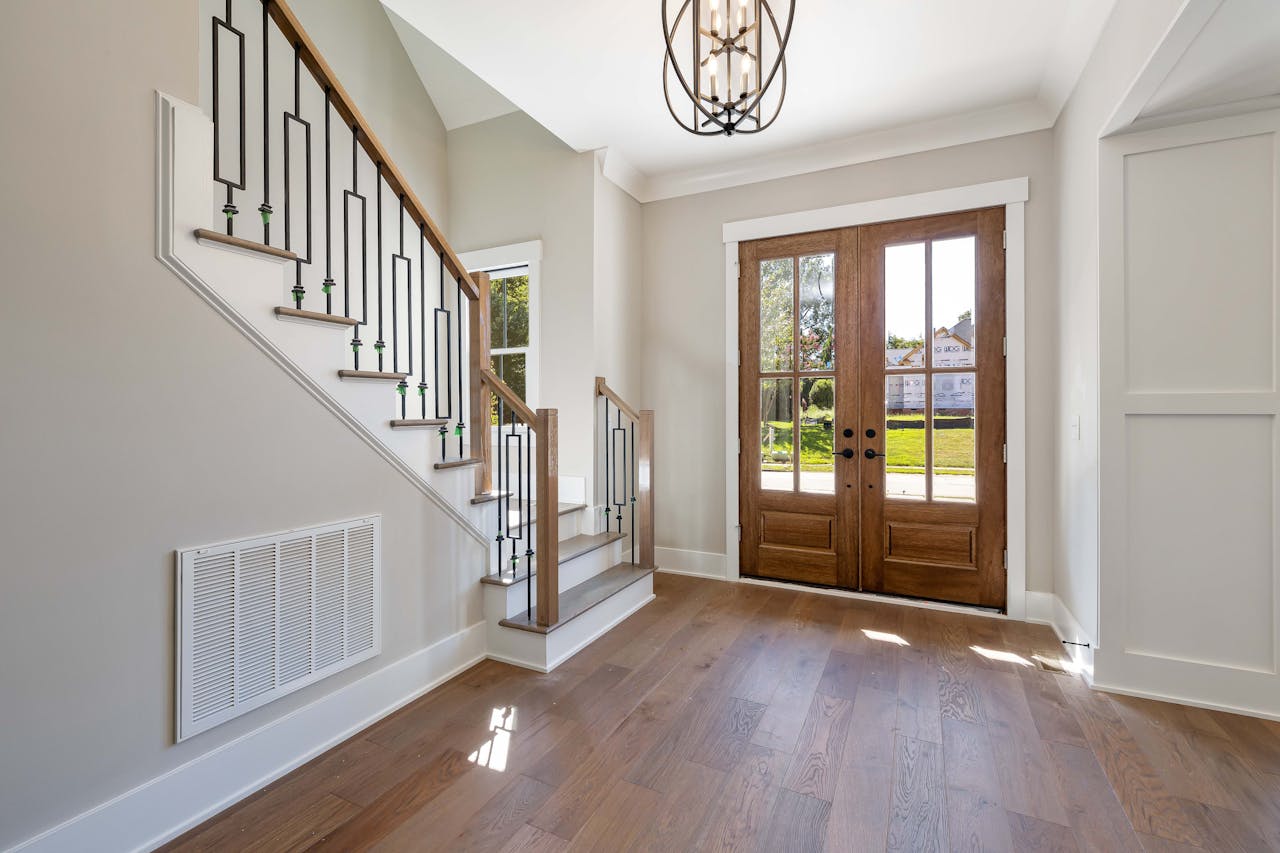
- Making sure you can see from the entryway into main rooms, so nothing feels hidden or blocked off
- Using interior glass or open shelves that let light travel, rather than filling every space with solid walls
These choices often support both accessibility and beauty at the same time. They help a home feel warm and welcoming, no matter who walks through the door.
Natural light does more than brighten a room, it makes a space feel fresh and avoids spots where people might trip or feel boxed in. Glass panels in doors or walls, clear sled shelves, and open sight lines let light move where it’s needed. Cutting down on shadowy corners in hallways or bathrooms adds peace of mind for everyone, especially when moving through the home at night or with groceries in hand.
Thoughtful Design for Every Life Stage
We often hear from people who aren’t sure if they need to plan ahead for changes in mobility or physical needs. The truth is, any home can benefit from design that makes it easier to live in. Whether you’re growing your family or simply thinking ahead about aging in one place, smart design choices now can help a lot later.
That’s one of the reasons we encourage people to start these conversations early. Professional home design services help build spaces that work well today and won’t need a full remodel if life shifts five or ten years from now. That includes thinking about how a hallway might later fit a walker or how a bathroom can shift from a tub to a no-step shower. Our team brings more than 100 years of combined experience in construction, interior design, and land development, which helps us spot these opportunities for long-term comfort early in the planning process.
Every day can feel just a little more peaceful when you don’t have to worry about how to get around your own home. That’s the kind of quiet benefit that comes from thoughtful planning.
If the house is arranged so doorways are wide and counters have enough clearance, it supports living at every age. Small lifts, step-free showers, and consistent floor heights let households adjust as life’s needs shift over time. Thoughtful design for every life stage means a home can handle guests, kids, injuries, or age without a sudden need for major changes. Subtle updates, like easy-to-reach shelves or flexible bedroom set-ups, give freedom without making the space feel medical.
A Home That Works Today and Years From Now
A well-planned home doesn’t have to announce its accessibility features to the world. It just needs to feel comfortable, open, and easy to move through. That comfort grows from smart layout choices, easy-to-use fixtures, safe materials, and strategic lighting.
As summer begins in Western New York, it’s a good time to think about how your home serves you and whether it will continue to support your needs down the road. Thoughtful design doesn’t mean giving anything up. When each room is built with care and future use in mind, your home can stay beautiful while quietly doing more for everyone who steps inside.
Thinking about building a space that meets today’s needs and tomorrow’s changes? At Designer Homes of WNY, we plan every step carefully so your home feels natural and comfortable with smart materials and flexible spaces that work with its look and layout. To see what is possible with our home design services, contact us today.