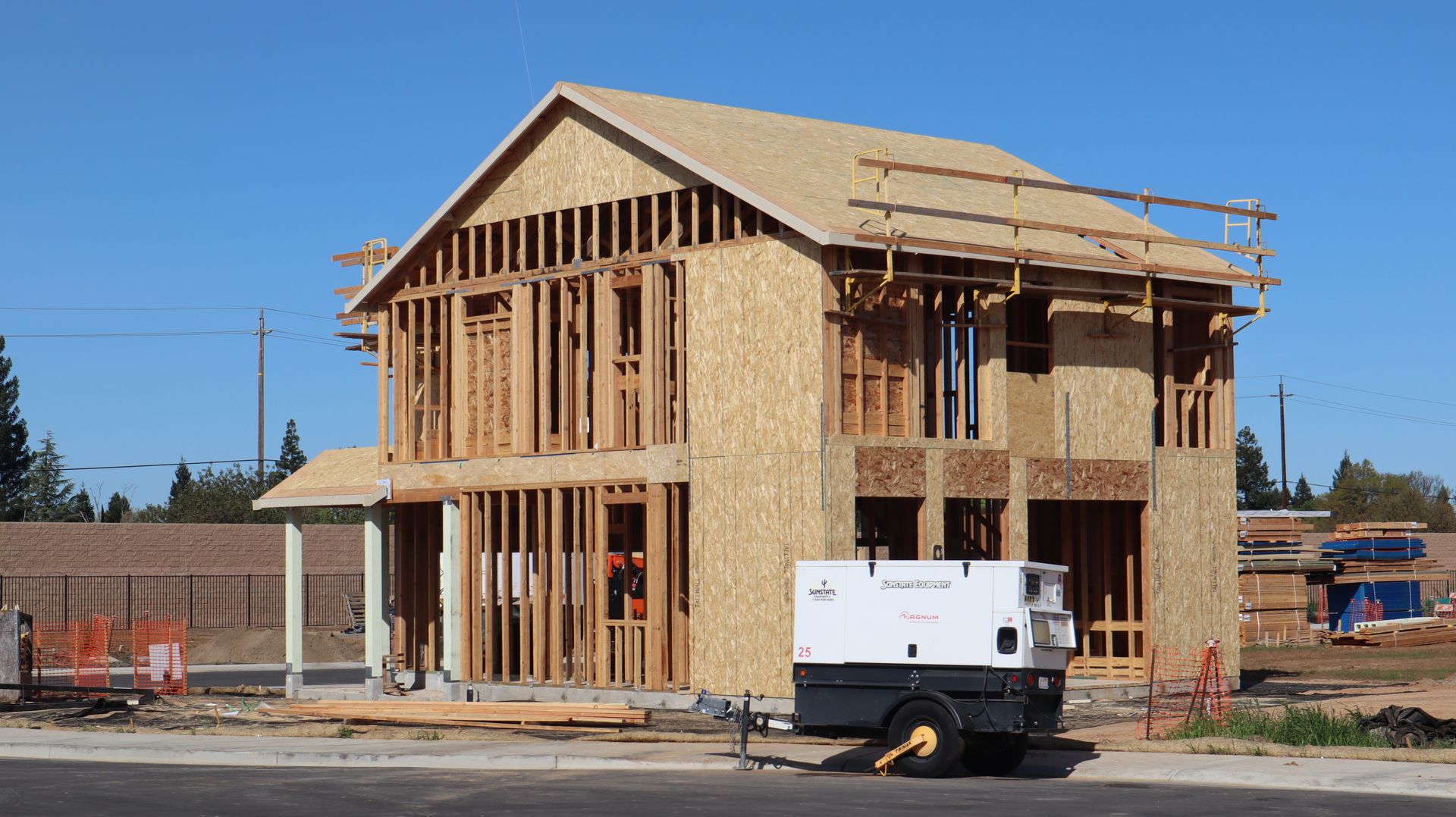

Remodeling of a home can feel exciting, but it also comes with a lot of moving parts, dust and debris included. Whether you’re redoing a kitchen, opening up a floor plan, or adding extra space, it’s helpful to plan ahead for the mess that naturally comes with the process. Without the right steps, remodeling can stir up air quality issues and leave fine dust in places you least expect.
Taking control of dust and debris starts before the first hammer swings. A little planning up front can help protect your home, belongings, and your health while the work is being done. The good news is, there are simple, proven methods to keep things cleaner, safer, and less stressful as your space transforms.
Understanding The Impact Of Dust And Debris
Any remodeling project, big or small, creates some amount of dust and debris. Demolition work, cutting materials, sanding surfaces, and moving construction tools around can all stir up dirt that travels far beyond the work zone. This might not seem like a big deal at first, but that dust can end up in closets, settle into vents, or even damage electronics and furniture.
It’s not just about cleaning more often. The kind of dust that sticks around during remodeling of a home can hold onto particles from drywall, tile, wood, or insulation. That means it can affect air quality and irritate your breathing, especially if you’re sensitive to allergens. In some cases, what’s being removed from the home, like old materials with peeling paint, can also be unsafe if not handled properly.
Some common sources of remodeling mess include:
– Demolition: Breaking down existing walls, floors, or built-ins spreads lots of dust throughout the space
– Drywall sanding: If new walls or ceiling changes are needed, sanding joint compound produces very fine dust
– Tile or wood cutting: Sawing bricks, tile, or hardwood for new surfaces creates not just dust, but also flying chips
– Foot traffic: People moving in and out of the remodel zone can carry dust into clean areas with their shoes or tools
Knowing where the mess comes from helps you prepare for it. It also helps you plan how to keep things under control while crews work.
Preparing Your Home Before Remodeling Begins
Before construction begins, take some time to prep your home so the rest of your space stays clean and protected. This doesn’t mean you have to clear out the house completely, but it does mean putting thought into keeping dust away from places you want to keep untouched.
Start with these key steps:
1. Move or cover your furniture. If possible, relocate furniture from remodeling zones to other rooms. For items that can’t be moved, cover them tightly with heavy plastic sheeting or moving blankets to prevent dust from settling in.
2. Seal off unused areas. Shut doors tightly between work zones and the rest of the home. Use plastic sheeting and painter’s tape to cover entryways, or ask your contractor about zip walls or temporary barriers.
3. Protect your floors. Lay down heavy-duty covers like canvas drop cloths, cardboard sheets, or plastic runners to prevent dirt, scuffs, and damage.
4. Close or cover vents. If dust gets into your heating or cooling ducts, it can spread to the far corners of your home. Temporarily cover vents in the work area, and change your HVAC filter afterward.
5. Clear clutter and fragile items. Take down photos, art, or shelves on shared walls. Vibration from tools and movement might cause them to fall.
You’ll also want to keep some materials on hand so you’re ready if minor cleanups are needed during the job. A few things worth picking up include:
– Painter’s tape
– Clear plastic sheeting
– Non-slip floor protection
– Dust masks or respirators
– Microfiber cloths for quick daily wipe-downs
Getting your home ready not only helps prevent damage but saves you time and frustration later. One homeowner in Western New York found out the hard way after forgetting to cover open shelves in their nearby hallway. It took hours to clean wood filler dust off each object. Lesson learned, the smoother you prep, the easier the remodel will feel.
Effective Dust Control Techniques During Remodeling
Once the remodeling starts, staying on top of dust management helps keep your home livable and your cleanup list shorter later. Even with the best prep work, dust can still find its way around. Keeping it down mid-project is just as important as getting ready beforehand.
One smart approach is separating the project zone as much as possible. Hanging plastic sheets from floor to ceiling at entryways or open walkways creates a temporary wall that limits the spread of airborne dust. Contractors often use zip systems on plastic sheeting to give workers easy access while keeping dust inside the workspace.
Fans and airflow make a difference too. Venting air outside with box fans or setting up a negative pressure system helps pull fine particles out before they settle elsewhere. Negative air machines, when used correctly, create a vacuum effect in the remodeling zone, which draws dust inward and traps it in filters. For bigger or longer jobs, your contractor might suggest using an air scrubber. These draw in dirty air, pass it through a filter, and recirculate it clean back into the room.
Here are a few ways to keep day-to-day dust down while construction is underway:
– Sweep and vacuum frequently with a HEPA vacuum cleaner
– Use sticky mats at doorways to grab dust off shoes as workers move in and out
– Keep windows closed during heavy sanding or demolition to avoid drawing dust into other parts of the house
– Wipe surfaces regularly with microfiber cloths, which trap more particles than basic dusters
– Empty and clean HVAC filters more often while work continues
These steps help cut down on buildup during active remodeling so you won’t feel like you’re constantly living in a job site. It also makes the final cleanup much more manageable.
Ensuring Safety And Comfort For Homeowners And Workers
When a remodel is in full swing, safety and comfort matter just as much as dust control. Remodeling of a home often means multiple people coming and going, power tools in use, and materials being shifted around every day. Without some protections in place, dust can affect your lungs and irritate your eyes or skin. It can also make the worksite more dangerous for the crews on the job.
Workers should wear personal protective gear like masks, goggles, and gloves especially during demolition or sanding. If you or your family are staying in the house during the remodel, set clear guidelines about which areas are off limits. It’s safest to stay out of heavy work zones even if barriers are in place. For parents, it helps to talk with kids about areas they can and can’t go and to block access with easy-to-see markings or baby gates.
Keep your house ventilated wherever possible, but not at the expense of letting higher levels of dust move into new areas. Open windows in safe zones when the weather is nice, especially in summer around Western New York. Just be mindful of outside allergens or humidity that might make things worse indoors.
Communication is another key part of staying comfortable. Having a clear talk with your contractor before the work begins about your expectations for cleanliness can help everyone stay on the same page. If certain rooms need to be kept extra tidy or if anyone in your home has allergies or sensitivities, make that known early.
One household near Orchard Park had a remodeling crew install an extra air purifier during a kitchen renovation after learning one family member had asthma. That small change helped the entire project go smoother and made the space safer for everyone.
Post-Remodeling Cleanup And Maintenance
Once the tools are packed up and the workers are gone, the big-picture cleanup begins. Even when dust control measures are in place, some cleanup will still need to happen to bring your home back to normal. A solid post-remodel routine helps remove leftover particles and keeps the fresh finish on your newly remodeled areas looking their best.
Here’s a checklist of tasks to go through as soon as the remodel wraps up:
– Vacuum all areas slowly and thoroughly with a HEPA filter vacuum
– Wipe down walls, trim, and baseboards with a damp microfiber cloth
– Clean light fixtures, ceiling fans, and vents where dust may have collected
– Remove and replace HVAC air filters used during remodeling
– Mop floors gently with minimal moisture to protect new surfaces
If you had any special systems installed during the remodel, such as HVAC changes or built-in filters, make a maintenance plan for them too. Many homeowners also like to bring in a professional cleaning service to get into places where construction dust tends to cling, like crown molding, inside closet corners, and tops of cabinets.
Following up with good cleaning habits over the next few weeks also helps. Be ready to give your filters another check after everything settles. Even in rooms that weren’t touched during the remodel, shaking out rugs and wiping down doors or light switches can make your entire home feel refreshed.
Creating A Fresh Start After Remodeling
Once the cleanup is done, it’s your chance to enjoy the updates you’ve waited for. A clean, refreshed space doesn’t just look better, it feels more inviting. Air smells clearer, surfaces shine without a layer of dust, and you can start adding back decor or furniture without worrying about grime.
Give yourself a few days to get everything back in place. You may notice little things you want to fine-tune or organize as you go. This is also a great time to create small habits that help prevent dust from building up quickly again. Swapping out air filters more regularly or using a room-sized air purifier can make ongoing air quality better for your family.
Every remodeling project brings its own set of challenges, but managing dust and debris doesn’t have to be overwhelming. With the right prep, steady upkeep, and a strong finish, you can move back into your home knowing it’s clean, safe, and ready for the next season of life in Western New York.
Whether you’re just starting your project or wrapping up final touches, ensuring a dust-free, comfortable environment is key to a successful remodeling of a home. If you’re looking to take your home transformation to the next level, let Designer Homes of Western New York guide you through every step. Learn more about how we can support your renovation by exploring our approach to remodeling of a home. Here’s to a refreshed home that’s both beautiful and welcoming.