
Not every home needs more space. Sometimes, the real issue isn’t about square footage at all. It’s about how the space is being used. A home design remodel can be a smart way to fix layout problems without needing to build an addition. Our homes should work with our lifestyle, not against it. But when things feel cramped or disconnected, that daily frustration grows.
This is especially common in Western New York, where many homes were built with older design styles in mind. What worked for a family 30 years ago might not make sense now. The good news is that careful redesigns can make your home feel more open, better organized, and easier to live in, without expanding the footprint. At Designer Homes of WNY, remodeling projects in Western New York can range from focused kitchen or bathroom updates to full-home renovations that are planned around how you want to live each day.
How Layout Problems Show Up in Daily Life
You know the feeling. A hallway that’s too narrow. A kitchen that traps everyone in a corner. A living room that no one wants to sit in. Layout frustrations usually show up in small ways first, like:
• Tight walkways that make every movement feel awkward
• Furniture placed oddly just to make the room usable
• Rooms that don’t connect well and break up the overall flow
Over time, these things start to get in the way of how your family lives day to day. If doing laundry means squeezing past a basement door, or prepping dinner turns into a shuffle around the fridge, the space isn’t working. And while it’s tempting to think, “We just need more room,” that’s not always true. Sometimes the space is there, it just needs a fresh plan.
Instead of enlarging the house, the better choice could be fixing how the rooms connect and function. That’s where a home design remodel becomes the right kind of solution, changing what’s already there, without adding on.
Ways a Home Design Remodel Rethinks Your Existing Space
A layout doesn’t have to stay the way it’s always been. Small changes can lead to big improvements. With the right plan, the same square footage can feel brand new. Here are a few ways to rethink how your rooms work together:
• Adjust how spaces connect: Widening an opening between a kitchen and dining area or shifting a doorway can bring in more light and encourage better flow from one room to the next.
• Move walls or fixtures: Removing a half wall or rotating a kitchen island might open up room you didn’t know you had. Sometimes, just moving the location of a fridge or a bathroom door can free up space and make everything feel easier.
• Use built-ins and custom storage: Corners that collect dust can be turned into purposeful storage. Built-ins take up less room than bulky furniture and can be designed to fit exactly where they’re needed.
These kinds of changes keep the house feeling cohesive. Instead of poring over addition plans, the focus shifts to design that solves real-life layout troubles without reaching beyond the existing walls.
When You Don’t Need More Room, Just a Smarter Plan
We’ve seen it many times. A homeowner thinks they need a bigger house, but what they end up needing is a smarter approach to what they already have. Some of the biggest improvements show up in the smallest rooms.
Take entryways, for example. Many homes in Western New York have tight front entrances with little storage. By reworking a closet, repositioning doors, or making space for a mudroom drop zone, you can turn a stressful area into one that welcomes you home.
Kitchens and laundry areas benefit too. Moving appliances into better locations or using closed storage instead of open shelving can change the entire feeling of a space. Sometimes we block areas without meaning to. Fixing the layout can give the illusion of more room without touching the exterior.
Open-concept homes can still feel messy or unfocused if zones aren’t clearly defined. A remodel might add a cozy reading spot or shift the orientation of the furniture to make better sense of the space. In awkward or oddly shaped rooms, angled walls, low ceilings, or structural quirks often leave owners unsure of what to do. That unused area can usually be turned into something functional with the right help and a well-balanced plan.
Why Working With a Professional Matters
Layout work reaches deeper than surface-level changes. Most of what makes a home feel better has to do with structure, systems, and movement. That’s not something that can be figured out with a ruler and a sketchpad. Working with someone who understands design and how older homes in places like Western New York are typically built makes a big difference.
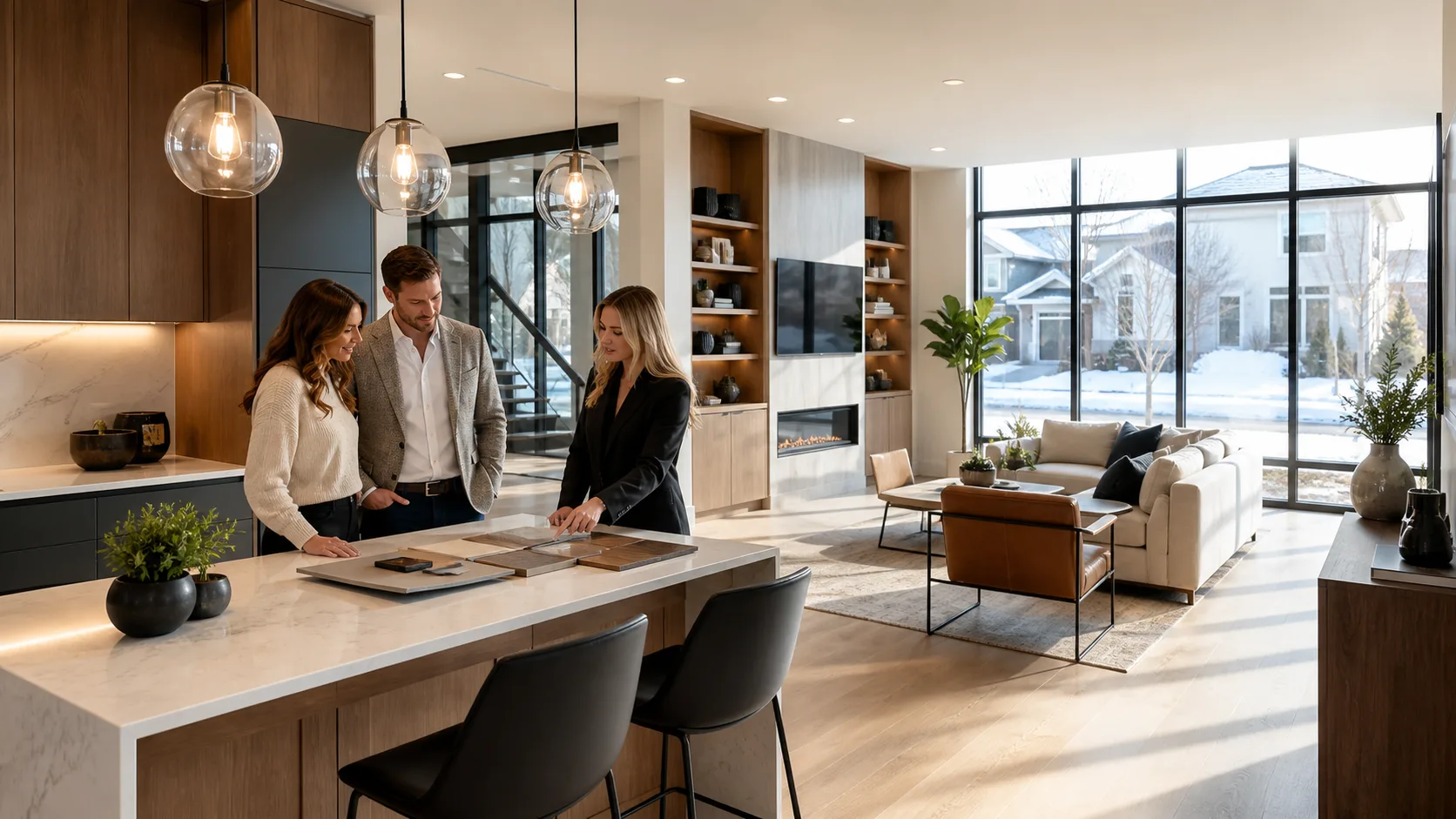
At Designer Homes of WNY, remodeling work is planned to blend everyday function with a look that feels like your own, so updated layouts and finishes fit your routines and style. Professional remodelers can:
• Notice potential before it’s too late, to spot where space is being lost in walls, corners, and closets
• Suggest ideas tied to how people actually live, not just how a room looks on a floor plan
• Make changes that follow building codes, especially during colder months when exterior work isn’t possible
This is especially helpful during winter. In Western New York, outdoor building slows down once snow hits the ground, but interior projects keep moving. A home design remodel fits well into the season since it’s focused on the inside. Working during these months means taking advantage of quieter timelines and using time wisely before the thaw.
Better Flow, Without Adding On
Space feels different when it works well. Rooms feel larger, days go more smoothly, and you don’t find yourself avoiding parts of your own house. That kind of change isn’t always about adding another room. Sometimes it’s just about changing the way space is used.
A home design remodel can bring in new direction without growing the footprint. It doesn’t mean tearing everything down. It means reshaping what is already in place, so the home feels right again.
The value comes from having a layout that finally makes sense. With careful planning and a thoughtful approach, older or awkward designs can be brought up to date to fit how people live now. For those in Western New York looking to improve function and comfort without expanding the square footage, this is often the smarter path forward.
Feeling that your home is tight or disjointed might mean the layout needs a smarter design rather than more space. A thoughtful approach to design can make rooms more usable and comfortable without changing the footprint. We have helped many Western New York homeowners rework their space in ways that feel new just by starting with a better plan, and when considering a home design remodel, we are ready to talk through ideas and guide your next step. Contact Designer Homes of WNY to get started.